

By Mool Raj
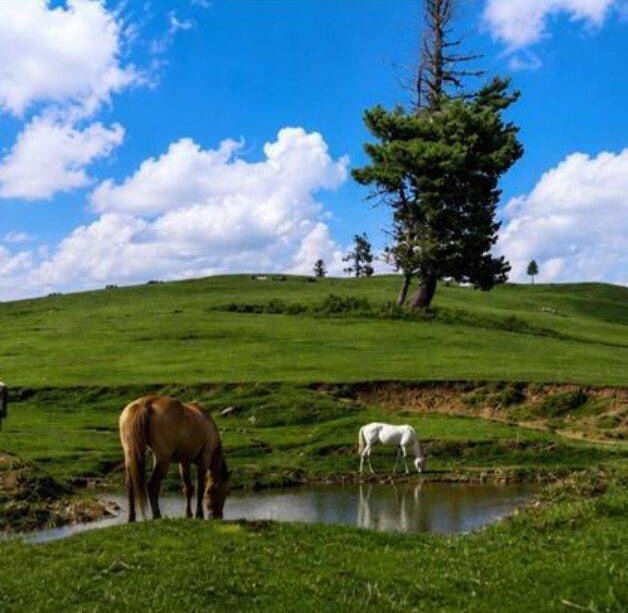
In the upper reaches of Doda District, far from the noise of commercial tourism and overcrowded destinations, lies a meadow where nature still breathes in silence. Kirla Top, with its untouched green landscapes, dense forests, mountain springs and panoramic Himalayan views, is steadily emerging as one of the most captivating eco-tourism destinations in the region.
Unlike many popular hill destinations that have gradually surrendered to unchecked commercialization, Kirla Top still retains the purity and calmness that modern travelers increasingly seek. Hidden among rolling meadows and towering mountain ranges, the destination offers not merely a sightseeing experience but a deeper emotional connection with nature itself.
For trekkers, photographers, campers and adventure seekers, Kirla Top feels less like a tourist spot and more like a forgotten paradise waiting quietly to be discovered.
A Landscape Untouched by Time
Surrounded by thick pine forests, crystal-clear streams and expansive grasslands, Kirla Top presents a rare glimpse of nature in its raw and unaltered form. The meadow’s silence is broken only by the sound of flowing water, rustling winds and distant bird calls — reminders of a world still untouched by urban chaos.
Visitors often describe the place as visually cinematic. Every turn along the trail reveals another breathtaking frame: ancient mud houses resting against mountain backdrops, grazing horses wandering across lush meadows, and snow-capped peaks stretching endlessly across the horizon.
Even as awareness about the destination grows among local travelers, Kirla Top continues to preserve the environmental purity that has vanished from many established tourist circuits.
The Journey Becomes the Experience
Reaching Kirla Top is not simply about arriving at a destination; it is about experiencing the rhythm of mountain life itself.
Travelers approaching from the Kahara side first reach Tanta village through a well-connected black-topped road extending nearly 12 kilometers. The village serves as the final point of comfort before the real mountain journey begins.
The hospitality of local residents adds warmth to the experience. Small roadside shops provide tea, refreshments and basic supplies for travelers preparing for the uphill route. Beyond Tanta, the road continues toward Kirla village through a partially rough stretch of approximately two to four kilometers.
From there begins the true adventure — a scenic trekking trail of nearly five to six kilometers leading toward Kirla Top.
The trail itself becomes unforgettable. Along the route, visitors encounter natural springs, open grasslands and quiet mountain settlements where life still moves at an unhurried pace. The cold mountain breeze combined with the sound of flowing water creates a sense of calmness rarely found in urban environments.
For many travelers, the journey becomes as memorable as the destination.
A Different Kind of Tourism
Kirla Top can also be approached through the Bhallesa–Gandho route, allowing visitors to reach closer by vehicle while enjoying dramatic valleys and dense forest landscapes along the way.
Yet what makes Kirla Top truly unique is not accessibility, but atmosphere.
In an age where tourism often revolves around crowded markets, loud entertainment and social media spectacle, Kirla Top offers something increasingly rare — silence. Not emptiness, but peaceful silence that reconnects individuals with nature and with themselves.
Local visitor Asif Hussain perhaps captures this feeling most simply:
“The first thing one feels after reaching the top is sukoon (peace). You don’t just see nature there — you feel connected to it.”
srq40d
rrole0