Speakers at “Resilient Minds, Drug-Free Future” programme call for collective action, mental health awareness and stronger community responsibility
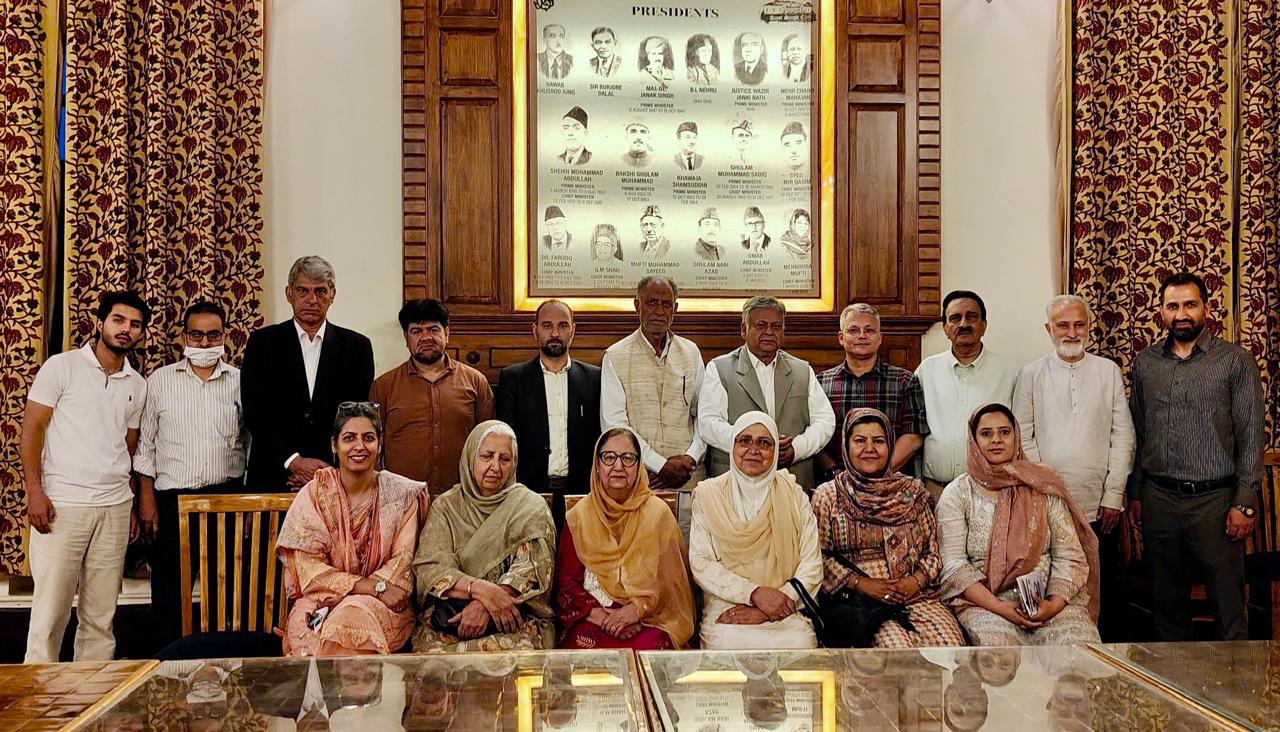
Srinagar, May 22: Eminent legal experts, psychiatrists, doctors, educationists, social activists and civil society representatives on Friday expressed serious concern over the growing menace of drug addiction in Jammu & Kashmir and called for collective societal action during a Community Awareness & Empowerment Programme organised by Common Interest Conversations at Amar Singh Club Srinagar under the theme “Resilient Minds, Drug-Free Future.”
The programme was chaired by senior Supreme Court counsel Zaffar A. Shah and witnessed participation from experts representing healthcare, law, education, administration and civil society.
In his address, Adv. Zaffar Shah said the growing drug crisis required serious public discussion and collective reflection. He said deterrence and punitive measures alone were insufficient and stressed the need to examine deeper causes behind youth vulnerability to addiction, including unemployment, emotional stress, family instability and social uncertainty. He warned that almost every household today was worried about the future of its children.
Veteran educationist and PSA Chief Patron G.N. Var appreciated the organisers for initiating dialogue on a sensitive social issue and said educational institutions must focus not only on academic excellence but also on character building, emotional resilience, ethical values and mental well-being. He described value-based education as essential for protecting youth from addiction and moral decline.
Secretary Amar Singh Club Srinagar Nasir Hamid Khan, while delivering the opening remarks, said the programme aimed to create meaningful awareness and constructive dialogue on the social, psychological, medical and economic dimensions of substance abuse. He stressed the need for collective social responsibility to safeguard the younger generation.
Veteran social activist Tasneem Akhter said field-level interactions with drug-affected families had exposed the devastating impact of addiction on homes, relationships and children’s emotional well-being. She said rehabilitation efforts and community outreach had strengthened awareness about the urgent need for counselling, treatment and sustained intervention.
Dr. Shahzada Saleem said society could not survive on formal systems of control alone and highlighted the erosion of traditional family and community support structures. He said reduced intergenerational interaction, emotional disconnect and lack of recreational opportunities were contributing to social isolation among youth.
Private Schools’ Association J&K president Bilal Ahmad Bhat termed drug abuse a serious social concern affecting every section of society. He said early warning signs often go unnoticed due to lack of awareness and communication and expressed hope that discussions during the programme would help build a healthier and drug-free future.
Chairman Birla Open Minds International School G.M. Lone described drug abuse as a serious social challenge requiring immediate collective attention. He said declining work culture, unrealistic expectations and weakening social responsibility were contributing to frustration and hopelessness among youth.
Prof. Dr. Masooda Rafiq said addiction was not merely a medical issue but a deep-rooted social challenge requiring grassroots interventions. She warned that vulnerable sections of society, particularly youth in underprivileged areas, were increasingly exposed to addictive substances damaging the social fabric of communities.
Dr. Fayaz Ahmad Bhat said mental health, behavioural challenges and substance abuse among youth required serious institutional attention. He said educational institutions and policymakers had increasingly incorporated awareness-oriented programmes, seminars and curriculum interventions to address such concerns.
Chairman and Managing Director YAS Group LLC Yasmeen Rashid Bhat said addiction was closely linked with emotional instability, social isolation and weakening human relationships. She stressed the need to move beyond identifying causes and focus on practical and implementable solutions, including greater youth engagement through sports and community activities.
Former SKIMS HoD Community Medicine Abdul Majid Ganai stressed the importance of preventive approaches in tackling substance abuse. Referring to a research study conducted among college students in Kashmir, he said stigma and fear prevented open discussion about addiction within society.
Deputy Director Research, Animal and Sheep Husbandry Department Marouf Shah said substance abuse could not be addressed solely through administrative or medical interventions and called for collective moral, educational and community responsibility involving families, schools, mosques and civil society institutions.
Advocate Rafia Sailani said punishment alone could not solve the drug crisis and emphasised the need for compassion, counselling and stronger community participation. She highlighted the growing mental health crisis and emotional breakdowns within families linked to addiction.
Assistant Professor Psychiatry Shazia Kounser said mental health challenges and substance abuse were deeply interconnected with social, emotional and family-related factors. She stressed that awareness campaigns should be led by qualified mental health professionals and warned that nicotine addiction was increasingly becoming a gateway to stronger substances.
Consultant Psychiatrist GMC Srinagar Fazl e Roub described heroin addiction as one of the most serious public health challenges facing Kashmir and called for a comprehensive prevention and treatment mechanism involving schools, families, healthcare institutions and specialised rehabilitation services.
Chairman Chowdhury Group and president UPSCC Showkat Chowdhary said addiction often begins silently through behavioural and emotional changes that families fail to identify in time. He urged parents to remain emotionally connected with their children and pay attention to early warning signs.
Medical Officer PHC Zadibal Lubna Khan said addiction had evolved into a major social and psychological crisis affecting adolescents and youth at an alarming rate. She said awareness campaigns alone were insufficient without practical intervention, counselling and coordinated community support systems.
Senior lawyer Bashir Siddiqui said NDPS-related litigation had increased sharply in recent years and underlined the importance of fair investigation, procedural safeguards and proper handling of evidence in narcotics-related cases.
Senior citizen Madooda Yasmeen said increasing materialism, unhealthy competition and societal pressure were contributing to frustration, depression and substance abuse among youth. She urged society to rebuild a responsible and supportive social structure.
Youth activist Bazif Hussain Makhdoomi stressed the importance of moral upbringing, awareness and discipline from an early age. He called for strict implementation of anti-drug laws alongside preventive awareness and constructive youth engagement through education, sports and community participation.
The programme concluded with a vote of thanks, with organisers expressing gratitude to all speakers, participants and civil society members for contributing towards collective efforts aimed at protecting youth and strengthening awareness against drug abuse.


cxbyw7