

A tribute to a life well-lived: Father of Deputy Commissioner Anantnag

By: Mohammad Amin Mir

The news of the departure of the father of Deputy Commissioner (DC) Anantnag has cast a deep mantle of sorrow across the valley of Kashmir. In a region already too familiar with grief, such personal losses resonate far beyond the immediate family. Today, the Patwar Association of Anantnag stands in solemn solidarity with the bereaved family, extending heartfelt condolences and prayers that Allah Almighty grants the departed soul eternal peace and places him in the loftiest stations of Jannah. In these moments of profound loss and reflection, we seek solace in the eternal truths of the Holy Quran and the mercy of the Almighty, who reminds humanity that every soul shall taste death.

The Inevitability of Mortality: A Universal Reality

Life and death are two inseparable realities, yet the pain of loss never dulls. The Holy Quran tells us:

“Every soul shall have a taste of death.”

— Surah Al-Imran (3:185)

These words echo in the hearts of believers whenever death touches a family or community. They remind us that death is not an end but a passage—an inevitable journey every soul must undertake. Even the most respected and virtuous individuals among us are bound by this universal decree.

When the father of the Deputy Commissioner left this temporal life, it was a moment that crystallized this divine truth before the eyes of the entire community. A parent’s love is among the deepest bonds a person can experience; its loss reverberates with an echo that challenges the human spirit. Yet, through faith, we find a language of hope and resilience.

An Honourable Life Remembered

Although a private individual, the father of DC Anantnag was known and respected in his social circles for his humility, generosity, and commitment to family values. These virtues, though simple, are among the highest forms of moral conduct taught by Islam. The Prophet Muhammad (peace and blessings be upon him) said:

“The best of you are those who are best to their families.”

To be remembered for kindness, compassion, and dedication to one’s family is among the greatest legacies a human soul can aspire to. The late gentleman’s life reminded those around him that true success is not measured in wealth or status but in the positive imprint one leaves on the hearts of others.

The Patwar Association of Anantnag: A Brotherhood in Grief

In times of sorrow, communal solidarity becomes a balm for wounded hearts. The Patwar Association of Anantnag—an organization representing grassroots officers in the revenue department—immediately issued a statement of condolence. Their message was more than formal expression; it was a testament to the deep bonds of collective empathy that bind public servants and citizens alike in this valley.

Their statement read in part:

“We, the members of the Patwar Association, Anantnag, express our deepest condolences to the Deputy Commissioner and his family on the sad demise of his father. We pray to Almighty Allah to grant the departed soul a place in Jannah and bestow sabr (patience) upon the bereaved family.”

Such expressions of shared grief reflect the humane values that sustain communities in Kashmir. In every corner of the valley, whether in villages or towns, people relate to loss—not as an abstract concept but as a lived experience that knits hearts together with threads of compassion and collective endurance.

Sabr (Patience): The Balm for Broken Hearts

The Quranic term sabr encapsulates a form of patience that goes far beyond passive waiting. It implies steadfastness, resilience, and conscious acceptance of Allah’s divine will. In Surah Al-Baqarah, Allah Almighty assures the believers:

“O you who have believed, seek help through patience and prayer. Indeed, Allah is with the patient.”

— Surah Al-Baqarah (2:153)

Patience in the face of loss is not a sign of indifference but of faith—of trust in Allah’s divine plan and the promise of reunion in the hereafter. For the family of the departed, and indeed for all who mourn with them, the concept of sabr provides a spiritual anchor. It does not eliminate the pain, but it affirms the dignity of bearing it with faith.

In Kashmir, where homes have known the ache of separation, the teaching of sabr resonates with deep personal and collective meaning. It becomes a shared testament to endurance and a reflection of faith that death, though tragic, is but a passage from this transient world to everlasting life beyond.

Prayer for the Departed: A Call to the Community

In Islamic tradition, the community plays a vital role in supporting those in grief. Prayers, visits, and words of comfort are forms of sadaqah jariyah—continuous charity that benefits both the departed soul and the living. The Patwar Association’s prayer for the deceased is rooted in this tradition:

“O Allah, forgive him, have mercy on him, excuse him and pardon him. Receive him with honour and make his grave spacious and comfortable.”

Such prayers, when uttered sincerely by a community, become spiritual intercessions that uplift the soul of the departed and fortify the spirits of the bereaved.

The Role of Leadership in Mourning

The father’s demise is deeply personal for DC Anantnag, but as a public servant, his grief intersects with the emotions of the community he serves. Leadership in times of loss is often silent and internal; a leader mourns not only privately but with the consciousness of those who look to him for strength and reassurance.

It is at this juncture that the community’s role becomes vital. The people of Anantnag, and the wider population of Kashmir, have an opportunity to express unity—not through grand gestures, but through simple acts of empathy: a prayer, a moment of silence, a message of condolence, or even a heartfelt dua.

Lessons from the Holy Quran on Death and Afterlife

Islamic teachings on death are meant to cultivate humility, purpose, and reflection. The Quran repeatedly points toward life after death as the ultimate reality:

“Every soul will taste death. And only on the Day of Resurrection will you be paid your full recompense.”

— Surah Al-Imran (3:185)

This verse is not merely doctrinal; it is profoundly existential. It invites every human being, regardless of rank or status, to contemplate the transient nature of worldly life and to strive for eternal success in the hereafter.

Another verse that brings comfort to believers in times of grief is:

“And We will surely test you with something of fear and hunger and a loss of wealth and lives… And give good tidings to the patient.”

— Surah Al-Baqarah (2:155)

The trials of life, including the loss of a loved one, are framed here not as punishments but as divine tests. The promise of “good tidings” to the patient is not a superficial reassurance; it is an affirmation that Allah’s mercy encompasses all things, and that He rewards those who endure with faith.

Collective Mourning in Kashmir: A Reflection of Shared Humanity

In Kashmir, where the tapestry of life is woven with rich cultural and spiritual threads, death is not a solitary event; it is a moment of collective remembrance and empathy. Whether in city centers or remote hamlets, news of loss travels swiftly and touches hearts with an immediacy that transcends social boundaries.

This shared humanity is not merely a cultural artifact; it is rooted in deeply ingrained values of mutual respect, sympathy, and communal support. In offering condolences to DC Anantnag and his family, the people of Anantnag and beyond reaffirm this bond—a bond that unites hearts in grief yet strengthens them in faith.

A Call for Unity, Reflection, and Prayer

In honoring the memory of the departed, the community also pays tribute to the virtues his life embodied: love for family, commitment to responsibilities, humility in conduct, and steadfastness in faith. These qualities are not confined to the individual; they inspire those who remain to strive for moral excellence and spiritual growth.

To the bereaved family, especially to DC Anantnag, we extend not only condolences but a collective prayer:

May Allah Almighty grant your beloved father a place in Jannah, forgive his sins, and illuminate his grave with light. May He grant you and your family sabr and strength during this difficult time. And may the community of Anantnag and Kashmir stand as a source of comfort and support in your grief.

Conclusion: Life, Death, and Eternal Hope

Death, in its finality, reminds us of the fragility of human existence. But through the lens of faith, it also becomes a threshold of eternal hope. The passing of the father of DC Anantnag is a moment of deep sorrow, yet it is also a reminder of life’s true purpose—servitude to Allah, compassion for others, and service to humanity.

In the words of the Holy Quran:

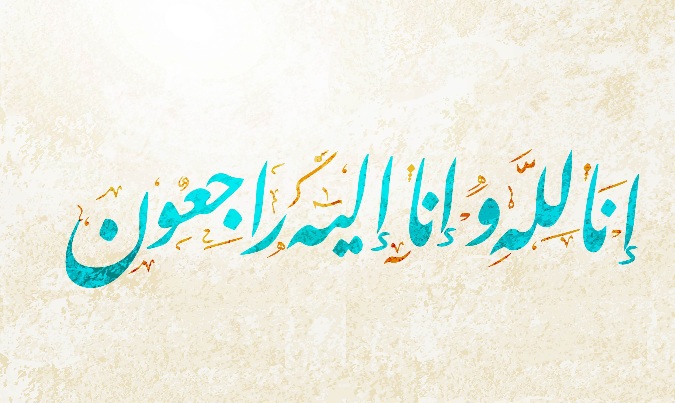
“To Allah we belong and to Him we shall return.”

— Surah Al-Baqarah (2:156)

May this profound truth provide comfort to every heart that mourns, and may the legacy of the departed continue to inspire those who knew him and those who hear his story.