Kashmir’s winters almost always bring with them a noticeable slowdown in several sectors, including public sector operations linked to agriculture and allied services. While nature rests, the question arises whether we are doing enough to utilize the capabilities and resources at hand during this period. Many departments associated with agriculture, horticulture, floriculture, soil conservation, and related fields continue their operations in a subdued manner, with limited field-based work during the six-month winter phase. Given the high fiscal dependency of Jammu & Kashmir on central funding, this period of low visible activity presents an opportunity for reflection and reform.
Rough estimates suggest that crores of rupees are spent each day in wages and operational costs across various government departments. These funds could, if strategically deployed during winter, support critical developmental activities such as agritech incubation, insurance mechanisms for crops, or investment in post-harvest infrastructure. This is not to question the commitment or capacity of individual employees but to invite a broader discussion on how seasonal strategies could make better use of public investments and available human capital.
In many Indian states and comparable international regions, winter becomes a season of preparation and innovation. Activities such as training, curriculum revision, research, and farm planning take precedence. In contrast, winter in Kashmir often sees a marked reduction in visible field activity, aside from meetings and administrative reviews. This isn’t necessarily a deliberate choice but rather a structural habit that can be constructively addressed through better planning.
A forward-looking approach could involve structured winter action plans across departments, requiring them to define and publish seasonal goals in areas like research, training, digitization, and outreach. Performance indicators tailored to the winter season would offer measurable outcomes and promote a results-based culture.
The idea of dual postings could also be explored, allowing for temporary deputations to agricultural universities, skilling missions, or even policy research cells during the off-season. Officers could contribute to preparing district-level agri-development plans, export roadmaps, or disaster preparedness documentation. Winter months also offer a practical window to digitize records, update GIS mapping of farms, and build real-time databases that could support more responsive planning during the rest of the year.
Incentive-based sabbaticals could further encourage officers to take on targeted assignments such as publishing research, piloting greenhouse innovations, or mentoring start-ups. In parallel, winter labs and innovation drives focused on protected cultivation, rooftop farming, and solar-powered agri-tech could generate solutions that are both climate-resilient and employment-generating.
It is important to note that many officers in these departments have commendable qualifications, insights, and a commitment to public service. The larger issue is not of intent, but of creating the right structures, incentives, and expectations that allow their talents to be better used in all seasons.
Examples from other cold regions around the world illustrate that winter need not be a pause in productivity. In Alaska, hydroponic farms run year-round, often using renewable energy. Iceland’s geothermal greenhouses thrive in snowy conditions. Japan’s Niigata region has turned snow-based storage into a value-adding process for rice and vegetables. In Canada, winter wheat and greenhouse farming are central to the agri-economy. Even in Ladakh, at altitudes exceeding 11,000 ft, winter farming using passive solar greenhouses is proving effective.
Jammu & Kashmir has similar potential. The challenge is to reimagine winter not as a time of inactivity, but as a window for strategic preparation, experimentation, and value creation. This calls for greater policy attention and innovative thinking from both administrators and elected representatives.
The goal is not to criticize or point fingers at any department or individual but to unlock the latent potential of our public systems to deliver better outcomes for farmers, youth, and the economy at large. In a resource-constrained environment, every season matters. So should every hour of public service.
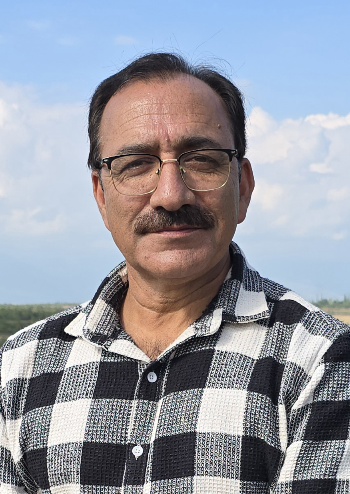
Dr Sanjay Parva is a communications strategist and author. He was a contestant in the 2024 Jammu & Kashmir Assembly elections. Views expressed are personal, and may not necessarily reflect Ziraat Times’ editorial view.