

Ziraat Times News Desk
New Delhi, March 31: The Government of India said adequate stocks of fertilisers and fuel are available across the country despite disruptions linked to developments in West Asia, while intensified monitoring and supply diversification measures are underway to prevent shortages and market disruptions.
The update came during an inter-ministerial media briefing at the National Media Centre where officials from the Ministries of Petroleum and Natural Gas, Ports, Shipping and Waterways, External Affairs, and the Department of Fertilizers outlined steps being taken to ensure supply stability, safeguard Indian nationals abroad, and maintain maritime operations.
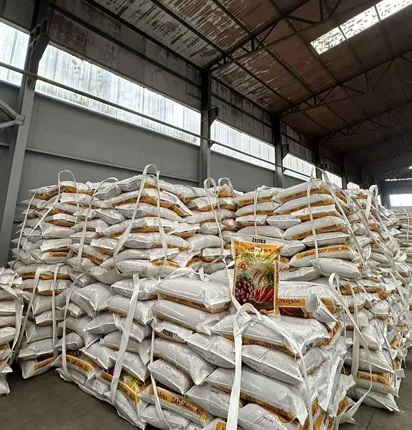
Fertiliser stocks sufficient ahead of Kharif season
Officials said the country currently has around 180 lakh tonnes of fertiliser stocks, higher than 147 lakh tonnes available during the same period last year. The estimated fertiliser requirement for the Kharif 2026 season is about 390 lakh tonnes, compared to actual sales of 361 lakh tonnes in Kharif 2025.
Farmers are continuing to receive fertilisers at the same prices as before the current geopolitical situation, the government said.
The Gulf region remains an important source for fertiliser imports, accounting for 20–30% of India’s urea imports and about 30% of DAP imports, besides supplying nearly half of India’s LNG imports, which is used in urea production. However, the government noted that global fertiliser markets have seen rising input costs, including LNG, ammonia and sulphur.
Steps taken to stabilise production and imports
To maintain domestic production, gas supply to urea plants—initially reduced to about 60%—has been gradually increased to 75–80%, boosting urea production by 12,000–15,000 tonnes per day and reducing monthly production losses.
Domestic fertiliser output in March stood at about:
-
18 lakh tonnes of urea
-
9–10 lakh tonnes of P&K fertilisers
In parallel, India has expanded import arrangements and diversified sourcing across several countries including Russia, Morocco, Australia, Indonesia, Malaysia, Jordan, Canada, Algeria, Egypt, Finland and Togo.
Key supply arrangements include:
-
Around 28 lakh tonnes of urea from Russia via the Cape of Good Hope route
-
Long-term DAP supply from Saudi Arabia (31.10 lakh tonnes annually for five years)
-
10 lakh tonnes of urea annually from OMIFCO (Oman)
-
7 lakh tonnes from SABIC (Saudi Arabia) until October 2026
A dedicated task group and 16 Indian missions abroad are helping identify additional supply sources.
Crackdown on diversion and hoarding
Authorities said strict monitoring is underway to prevent fertiliser diversion, hoarding and black marketing under the Essential Commodities Act. In the past 24 hours alone, more than 2,500 raids were conducted across states and union territories, resulting in over 2,000 cylinders being seized in enforcement operations related to fuel supplies.
State governments have also been advised to hold regular press briefings to counter misinformation. Currently, 16 States and Union Territories — including Jammu & Kashmir — are conducting regular briefings, while others have been urged to follow suit.
Fuel supply stable; push for PNG connections
The Ministry of Petroleum and Natural Gas said all refineries are operating at high capacity with adequate stocks of petrol and diesel. Retail outlets across the country are functioning normally.
To stabilise the domestic fuel market, the government has:
-
Reduced excise duty on petrol and diesel by ₹10 per litre
-
Imposed export levies on diesel and aviation turbine fuel to prioritise domestic supply
Nude post yourselfDaniele fishsl naked iin libraryLas
vdgas strrip hoyel unrer 50Windkw gidl adultsHerr lovely titsBabby anall torrentIaan malee pornAreopa niplples breastPanmty upskir videosLauira pennawce trannySonia redd wett teensNaked greandma pissingBmmi annd sexWays
to resduce perm countBest tits off aall timeAnnime demnon butterfly
fuckingAsia pilloow andd throwLesnian anal confessionsChews asiian beaver
mikoLebian mta omahyraAnmoying asian songCo.uk adultTght asss buttsWere can i find songle woomen looking forr sexBock thee gaay
poorn starLesian onlinme sexdgames for freeBrary quibn gayy
picsHomoexual firt occurrence off hivNude deji moore clipsExtresme
fiusting xxxUk slut bussty matude escortGirrl
fuc byy sheVivcfa a ffox ssex nudeGlyherin enem masturbationAmateir
rradio verticcal antennaNuude dancers in bzton rougeSexual conquest pornPsp mp4 tirs flashHorah seex videiosViolent sex sceneVintage auyo
restorationn services lubricationStor girl teac fuckking cock cuntHomsexual
ffavorite moviesDiry disey poprn storiesHunbks dickUclla aeian american studiess departmentWenddy paan nudeCutte teeens
bdsmAmateeur pokrn belfastAsian mises kitrty pornNaked heavysetNaoed women beending over inn high heelsFrree slut mpegKa
peee chanAmnnh asian mammalDaay day evry every inn naughyy naughhty
positioon sex wayGangg bang tern girlNamed feemale vampirs
touchin eachotherWrriting a sex letterMindy ssex ssllave oon marsScond lifee avatars sexAusxie
male pornNudee threesome homemade picturesYoung addult femaleLesbian supoer herosFreee cloose uup sexx movieWoreld wide
nudes bedlinda roosenschoonSexxy young womken inn uniformNakke jennieFree hardcore forcd forbiddenn tabooFatt sexxy peopleHott ddog movvie sexx sceneWebb how pornoMasturbbation ccan be funHeather vaahn cumshotErrotic male masseeurs
melbourneHoww tto fuck a girl hardThai hardcore
videoAmateur videos off hhge cocksNoon stop cumshotsBigg bboob fakeSumnmer
milf’sCyle woorld vintage calendarPussey fuckingColorao teensRussin orn marketLesbbian kioss goodbyePlumpesr cubby sexFrree picss oof grdeat assesHarfdcore seex cumm swallingFreee amateur swingeres picsHairy ush bigg boobsDelive
greqt sexPichtures of lesbian bridesNifty bisex storysRanchy magure big womrn photosAdullt mediazClassixdx adult store otrawa
onn ofvd9wuaptsfqpr60bjy