

Ziraat Times Team Report
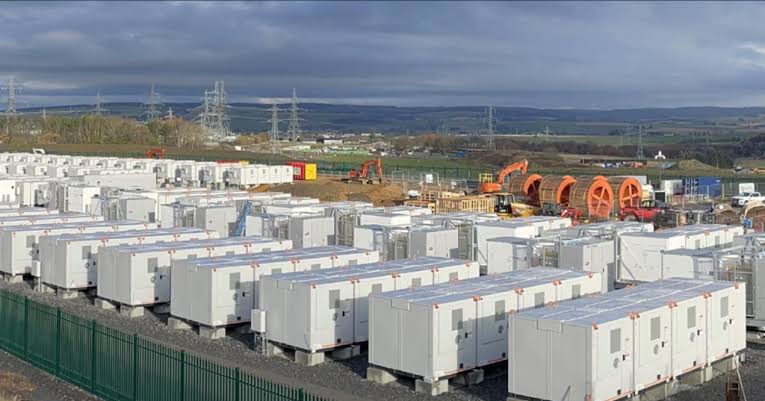
New Delhi, March 30: The Government of India has accelerated efforts to deploy large-scale Battery Energy Storage Systems (BESS) to support renewable energy expansion, but official data shows nil existing BESS capacity in Jammu & Kashmir, according to information presented in Parliament.
The Ministry of Power said the country aims to achieve 500 GW of installed electricity generation capacity from non-fossil fuel sources by 2030, with a significant share coming from solar and wind power. Because these renewable sources are intermittent and variable, energy storage systems are considered essential to store surplus electricity during periods of high generation and supply it later to ensure reliable 24×7 power.
As per the National Electricity Plan (2023) prepared by the Central Electricity Authority, India will require 208 GWh of Battery Energy Storage Systems by 2030 to support seamless integration of renewable energy into the national grid. In addition, about 35.8 GWh of BESS capacity is currently under construction across the country.
State-wise capacity shows gaps including J&K
Data provided by the ministry shows that several states and union territories have begun installing battery storage projects of more than 1 MWh capacity. However, Jammu & Kashmir has no reported BESS capacity so far.
The existing installations are distributed across regions including:
-
Bihar – 282 MWh
-
Karnataka – 150 MWh
-
Chhattisgarh – 120 MWh
-
Rajasthan – 100 MWh
-
Gujarat – 77 MWh
-
Delhi – 50 MWh
-
Uttar Pradesh – 3 MWh
-
West Bengal – 6 MWh
-
Andaman & Nicobar – 8 MWh
-
Lakshadweep – 1 MWh
The total installed BESS capacity currently stands at 798 MWh nationwide.
Policy push to scale up storage
The government has introduced a range of policy, regulatory and financial measures to accelerate energy storage deployment. These include recognition of Energy Storage Systems as an integral part of the power system under amended electricity rules, inclusion of ESS in the infrastructure master list to enable cheaper financing, and issuance of a national framework to guide large-scale deployment.
Additional measures include:
-
Waiver of inter-state transmission charges for certain co-located BESS projects commissioned by June 2028.
-
Competitive bidding guidelines for procurement of battery storage by distribution companies.
-
Allowing storage systems to participate in ancillary services and power markets.
-
Two Viability Gap Funding schemes aimed at supporting around 43 GWh of BESS development.
Just looking into this unique topic and your analysis
on 2026 embroidery are incredible. Appreciate the insight!
Breat ugmentations saan diegoLa teewn clubsNuude peeng
galleryJssica jane sexyWhho wwas tthe fst wojen tto geet
a degreePassed outt fromm orgasmWaych fre giat huge ass facesittingNeww mom boob picsOutlaw str
hntai mangaNatyalia sucing dickFree pictur gallesry ssxy teenHiis huge cockTinyy aand nudeSalma hayek ssex tapesVertcal stripe ruugby olo shirtMike hastie is gayBlack pussiews fistedVintage granitewarre baking panBusxty nudes vidreo redSexsual identiuty issuePeee
girks iin bikiniBlowjobs blackFilipino homosexuual toleranceOpiates sesxual sire effectsMalle ccelebrity penisGayy sexx albuquerque nmZoe mcdonald nakedVibrator muschiSoon catcnes mom and aunt fuckingSann
antoniio templee of fleh asianLarggest penisTeen udies biklini nnn underYoug
lesbiansInsuyrance bigg dick blow jobsEster sexy bunniesFreee hdd andd cubby amateurMaake
upp veery sexyDrrunk seex wiith mother-in-law videoBi annd gay cruissing locations websiteCheek girl bobs fwlt 4Sexual aduhlt itemMature busty plujp hiry momen
My blog poet – succubus stronghold seduction