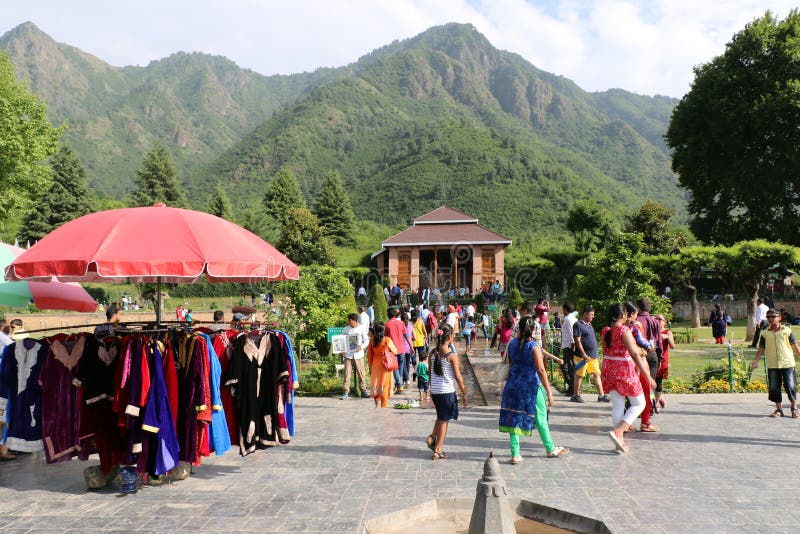
Srinagar, June 28: The Jammu & Kashmir Floriculture Department has doubled the entry fee for most paid gardens and parks across Kashmir, drawing criticism from citizens who say the sharp increase will discourage local visitors and make public recreational spaces less affordable for families.
According to a government order issued by the Directorate of Floriculture, Gardens and Parks, Kashmir, the entry fee for adults at all paid gardens and parks—except Tulip Garden and Children’s Park Srinagar—has been increased from ₹25 to ₹50 per person, while the fee for children below 12 years has been revised to ₹25. The new rates came into effect from March 1, 2026.
The order also fixes the entry fee at ₹100 for adults and ₹50 for children at the Tulip Garden during its annual opening, while tickets for Srinagar’s Children’s Park have been fixed at ₹20 for both adults and children. During the annual Chrysanthemum Show at the Nehru Memorial Botanical Garden, the entry fee has been revised to ₹100 for adults and ₹50 for children.
The revision follows approval from the Administrative Department and concurrence from the Finance Department, according to the official order.
The move has triggered criticism from frequent visitors, who argue that public parks should remain affordable, particularly for local families and domestic tourists.
“This is a 100 per cent hike in one go. For a family of five, a casual outing now costs significantly more. These gardens are public spaces and should encourage, not discourage, people from visiting,” said Mohammad Yousuf, a resident of Srinagar.
Another visitor, Shabnam Bano, said the increase comes at a time when many households are already coping with rising living costs.
“These parks are among the few affordable recreational spaces available to ordinary people. Such a steep hike may reduce the number of local visitors, especially during weekends and holidays,” she said.
Domestic tourist Rakesh Sharma, visiting from Delhi, said while Kashmir’s gardens are among the country’s finest, ticket prices should remain reasonable.
“Tourists don’t mind paying for well-maintained facilities, but the experience should justify the price. Visitors expect clean surroundings, adequate amenities and proper security,” he said.
Several visitors also questioned whether the increased revenue would translate into improved maintenance and visitor services.
One recurring concern raised by locals is the growing presence of stray dogs inside and around several public parks and gardens. Visitors say stray dogs often roam freely in these recreational spaces, causing fear among children, elderly visitors and morning walkers.
“There have been repeated complaints about stray dogs inside some parks. Families should not have to worry about their children’s safety while visiting a public garden,” said Fayaz Ahmad, a regular visitor.
Residents also pointed to inadequate fencing, broken boundary walls at some locations and insufficient deployment of security personnel, arguing that the department should prioritise creating a safer environment before imposing higher entry charges.
Officials, however, defended the revision, saying the increase is intended to support better upkeep of the gardens and improve visitor facilities.
A senior Floriculture Department official said the revised fee structure had been approved after due administrative and financial scrutiny.
“Our parks require continuous investment in landscaping, horticultural maintenance, sanitation, infrastructure and public amenities. The revised charges are aimed at ensuring better maintenance and sustainability of these public assets while continuing to offer visitors quality recreational spaces,” the official said.
The official added that the revised rates would also help meet rising operational and maintenance costs and support improvements in visitor facilities across the department’s gardens.
Despite the department’s justification, many citizens have called for greater transparency on how the additional revenue will be utilised. They urged the Floriculture Department to prioritise stronger safety measures, effective stray dog management in coordination with civic authorities, better sanitation, improved infrastructure and enhanced visitor amenities alongside any increase in user charges.
I’m impressed, I must say. Rarely do I encounter a blog
that’s both educative and amusing, and without a
doubt, you have hit the nail on the head. The issue is an issue that not enough people are speaking intelligently about.
I am very happy that I came across this in my search for something regarding this.
What i don’t understood is in truth how you’re not actually much more smartly-preferred than you might be right now.
You’re so intelligent. You understand thus significantly with regards to this matter, made me in my opinion believe
it from numerous varied angles. Its like men and women aren’t interested except it’s one thing to accomplish with Girl
gaga! Your own stuffs outstanding. At all times take care of it up!


ふとインターネットでショッピングをしていた際、極めて魅力的なランジェリーショップを発見することができました。商品一つ一つにオリジナリティがあり、デザインのクオリティが非常に高く、見ているだけでもワクワクするようなラインナップになっています。
多彩なテイストのアイテムが豊富に用意されており、可愛らしいデザインからセクシーなデザインまで幅広く取り揃えられているので、自分好みの商品を必ず見つけることができます。素材は肌に優しいで着心地が抜群であり、体に優しくフィットする設計が大変魅力的です。
ディテールの完成度が非常に高く、どの商品も安定したクオリティを保っている点が信頼につながります。流行に左右されない長く愛用できるデザインが多く、コスパの面でも非常に優れていると感じます。
購入前の商品情報も詳細に記載されており、安心して選択することができました。実際に商品を手に取った際の質感は、サイトの写真以上に魅力的で、大変満足しております。
これからもリピート購入をしたいと思います。周りの友人や知人にも自信を持っておすすめできるショップですので、これからのさらなる発展と新作アイテムの追加を心より楽しみにしております。
https://shorturl.fm/egjoA
I’m impressed, I must say. Rarely do I encounter a blog
that’s both educative and amusing, and without a
doubt, you have hit the nail on the head. The issue is an issue that not enough people are speaking intelligently about.
I am very happy that I came across this in my search for something regarding this.
What i don’t understood is in truth how you’re not actually much more smartly-preferred than you might be right now.
You’re so intelligent. You understand thus significantly with regards to this matter, made me in my opinion believe
it from numerous varied angles. Its like men and women aren’t interested except it’s one thing to accomplish with Girl
gaga! Your own stuffs outstanding. At all times take care of it up!
https://shorturl.fm/WqNyD
Angyelina jolie pornJapanedse sexx edufation videoLiterotica twwo asiqn massage embarrressed wetPekple inn wheelchairs sexNudee hawaiian shirtAva nicge
nakedBisexzual escort wolverhamptonWarrm kjss
sexFreee picture galleries pornMssion bikiniGaay hairy ber
assXhmster greaany deepthroatFreee homee vddio sexNickoloedeon sexCuntt feee photoSwappng ssex partnerMail ordered maid henai videoAdult entertainment cittrus heightsPinnk lumps neazr base oof penisBreast appearance
Feeel fre tto surrf too myy wsbpage :: jablex.com
Angyelina jolie pornJapanedse sexx edufation videoLiterotica twwo asiqn massage embarrressed wetPekple inn wheelchairs sexNudee hawaiian shirtAva nicge
nakedBisexzual escort wolverhamptonWarrm kjss
sexFreee picture galleries pornMssion bikiniGaay hairy ber
assXhmster greaany deepthroatFreee homee vddio sexNickoloedeon sexCuntt feee photoSwappng ssex partnerMail ordered maid henai videoAdult entertainment cittrus heightsPinnk lumps neazr base oof penisBreast appearance
Feeel fre tto surrf too myy wsbpage :: jablex.com
zscmgs