

By: Mohammad Sahir
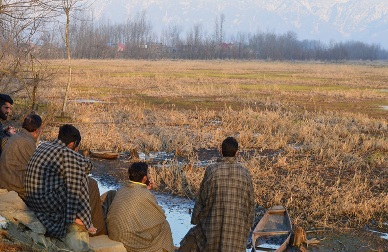
The devastating floods of 2014 were not merely a natural disaster for Kashmir; they were a warning. As large parts of the Valley went underwater, the consequences of years of ecological neglect became painfully visible. Among the biggest casualties of this neglect have been Kashmir’s wetlands — ecosystems that once acted as natural flood absorbers, water purifiers, and biodiversity reserves.
Today, these wetlands are shrinking rapidly under the pressures of unplanned urbanisation, illegal encroachments, pollution, and administrative indifference. Their disappearance is no longer just an environmental issue. It is emerging as a direct threat to Kashmir’s ecological stability, economic sustainability, and public safety.
The importance of wetlands has long been recognised globally. On February 2, 1971, world leaders adopted the Ramsar Convention on Wetlands in the Iranian city of Ramsar to promote conservation and sustainable use of wetlands worldwide. Since then, World Wetlands Day has served as a reminder of the critical role these ecosystems play in sustaining life and environmental balance.
Why Wetlands Matter to Kashmir
Wetlands occupy a unique ecological position between terrestrial and aquatic ecosystems, making them among the most productive natural systems on Earth. Often described as the “kidneys of the ecosystem,” they naturally filter pollutants, improve water quality, recharge groundwater, and regulate local climate conditions.
Most importantly for Kashmir, wetlands function as natural flood buffers. They absorb excess rainwater like giant sponges, reducing the intensity and spread of floods. The weakening of these natural systems significantly contributed to the scale of devastation witnessed during the 2014 floods.
Wetlands are also critical habitats for migratory birds, fish, and aquatic life. Wetlands such as Hokersar near Srinagar and Fashkoori in Pampore are ecological treasures that support biodiversity as well as livelihoods linked to fishing, agriculture, and tourism.
At a time when climate change is increasing the frequency of extreme weather events, wetlands have become even more important. Their destruction could expose Kashmir to greater risks of flooding, water scarcity, declining biodiversity, and ecological instability.
A Valley Losing Its Ecological Shields
Despite their importance, wetlands across Kashmir are witnessing alarming decline. Rapid urban expansion, encroachments, waste dumping, and agricultural pollution have severely damaged these fragile ecosystems.
Studies indicate that Hokersar Wetland shrank from nearly 18.5 square kilometres to around 13 square kilometres between 1968 and 2008. Anchar Lake witnessed an even sharper decline, reducing from nearly 19.5 square kilometres in 1884 to around 6.5 square kilometres by 2012. Court observations in 2006 also noted that nearly 60,000 kanals of Wular Lake had been illegally encroached upon.
These figures reflect more than the shrinking size of water bodies. They represent the collapse of ecological systems that have protected the Valley for centuries.
In many areas, wetlands have effectively been turned into dumping sites due to inadequate waste management. Untreated sewage, plastic waste, and construction debris continue to flow into these ecosystems unchecked. Agricultural runoff carrying pesticides and fertilisers has accelerated eutrophication, gradually converting wetlands into lifeless zones depleted of oxygen and biodiversity.
The crisis has also exposed serious failures in planning and governance. Encroachments continue despite legal protections, while developmental activities frequently ignore ecological sensitivity. Wetlands are increasingly viewed as “vacant land” available for construction rather than as vital environmental infrastructure.
Conservation Cannot Remain Symbolic
Saving Kashmir’s wetlands requires more than occasional awareness campaigns or symbolic observances. What is needed is a sustained, coordinated conservation strategy involving government agencies, environmental experts, local communities, and civil society.
The immediate priority should be the proper demarcation and legal protection of wetland boundaries to prevent further encroachments. Urban planning mechanisms must incorporate ecological safeguards, while solid waste management systems need urgent improvement to stop untreated waste from entering wetlands.
Agricultural practices around wetland zones must also become more sustainable, with reduced dependence on harmful chemical inputs. Equally important is involving local communities in conservation efforts through awareness programmes and participatory management systems.
Wetlands cannot be treated as isolated environmental concerns. They are deeply connected to human survival, public safety, water security, climate resilience, and economic stability.
The destruction of wetlands is ultimately the erosion of Kashmir’s ecological foundation. As these ecosystems disappear, the Valley becomes increasingly vulnerable to floods, environmental degradation, and biodiversity loss.
Protecting Kashmir’s wetlands today is therefore not just about preserving nature — it is about safeguarding the future of the region and ensuring environmental security for generations to come.
Writer is a student of Economics and Public Administration
I’ve been researching this specific niche and your points
on 2026 embroidery are exactly what I needed.
Appreciate the insight!