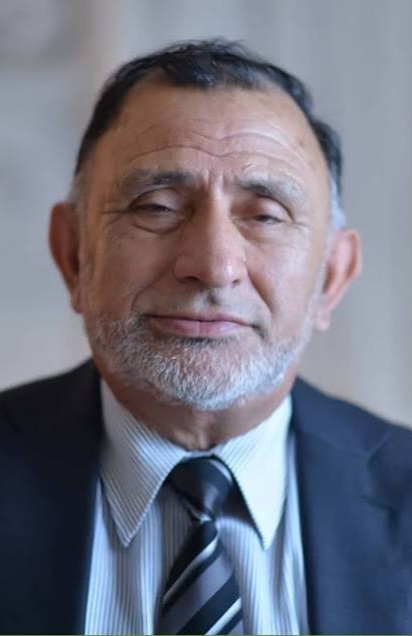
By Er Mohammad Ashraf Fazili Former Chief Engineer
As I travelled through the United Arab Emirates, I found myself not merely observing a country, but experiencing a living model of transformation, where tradition meets ambition, and where deserts have been turned into engines of growth and modernity.
The UAE presents a fascinating blend of industries, each contributing to a diversified and forward-looking economy. What struck me most was how seamlessly the country has moved beyond its historical dependence on oil to embrace a wide spectrum of sectors.
The oil and gas industry, of course, remains the backbone of the economy, contributing nearly 30% to the GDP. Yet, what is remarkable is the country’s parallel effort to invest in exploration, production, and even unconventional gas resources while consciously preparing for a post-oil future.
As I moved through cities like Dubai, the scale of tourism and hospitality became immediately visible. The UAE has positioned itself as a premier global destination, attracting millions of visitors every year. Luxury hotels, expansive shopping malls, and world-class entertainment options reflect not just economic planning, but a deliberate effort to create experiences that define modern tourism.
Equally striking is the construction and real estate sector. Everywhere one looks, there are signs of rapid urbanization—towering skyscrapers, ambitious infrastructure projects, and large-scale developments that have transformed the skyline into a symbol of aspiration. The UAE has truly become a hub for real estate investment and construction excellence.
What impressed me further was the country’s commitment to technology and innovation. The focus on artificial intelligence, blockchain, and the Internet of Things is not merely theoretical—it is visible in the development of smart cities and the creation of a knowledge-based economy. There is a clear intent to position the UAE as a global leader in technological advancement.
At the same time, the emphasis on renewable energy reveals a deeper understanding of sustainability. Initiatives such as the Dubai Clean Energy Strategy 2050 demonstrate a vision that balances growth with environmental responsibility, with significant investments in solar and wind energy projects.
The healthcare sector too reflects rapid advancement, with state-of-the-art facilities and a clear ambition to become a regional hub for medical services and tourism. Alongside this, the financial services sector in Dubai and Abu Dhabi stands robust, supported by a favorable regulatory environment that attracts global investors.
As I reflect on this journey, it becomes evident that the UAE’s economy is not defined by a single industry, but by its strategic diversification. Government initiatives, foreign investments, and a business-friendly environment have collectively made it a magnet for entrepreneurs and investors from across the world.
Yet, beyond economic strength, what also captured my attention was the country’s approach to security and defense.
The UAE maintains a highly capable and technologically advanced defense system. Recent defensive operations, including responses to drone and missile threats, demonstrate the effectiveness of its multi-layered air defense network. With a reported interception rate of 95%, systems such as THAAD, Patriot PAC-3, Barak-8, Pantsir-S1, Cheongung II, and the indigenous SkyKnight collectively ensure protection against a wide range of threats.
The structure of the UAE Armed Forces reflects both modern capability and strategic depth. The Army is equipped with advanced battle tanks, infantry vehicles, and long-range artillery systems. The Air Force operates cutting-edge fighter aircraft supported by a dense air defense network, while the Navy focuses on maritime security with modern vessels and patrol capabilities. Specialized units such as the Presidential Guard maintain high readiness for counter-terrorism and special operations.
With approximately 65,000 active personnel and a significant reserve force, supported by a defense budget of around $23–24 billion, the UAE demonstrates a strong commitment to modernization and preparedness.
Another aspect that stood out during my observations is the development of a domestic defense industry. Through entities like the EDGE Group, the country is producing armored vehicles, precision-guided munitions, and unmanned systems, while focusing on future priorities such as artificial intelligence, cyber defense, and counter-UAV technologies.
Strategic partnerships further strengthen this framework. The UAE maintains close defense ties with countries such as the United States, France, the United Kingdom, and Israel, engaging in joint training and intelligence-sharing that enhances its ability to respond to regional challenges.
The system of national service ensures that a trained reserve force is always available, reinforcing national readiness and discipline. At the same time, the country’s operational doctrine emphasizes defense, stability, and measured response, even while retaining the capability to project power when necessary.
As I conclude my journey through the UAE, I am left with a sense of admiration for a nation that has successfully combined economic ambition with strategic security. It stands today not only as a hub of industry and innovation, but also as a key player in regional stability.
The UAE’s story is one of vision, planning, and execution—a reminder that with the right balance of development and discipline, a nation can transform itself into a model for others to follow.
The other Gulf Cooperation Council (GCC) countries, including Bahrain, Kuwait, Qatar, Saudi Arabia, and Oman, also represent important markets and strategic partners, particularly in sectors such as agriculture and trade, further highlighting the region’s growing global significance.