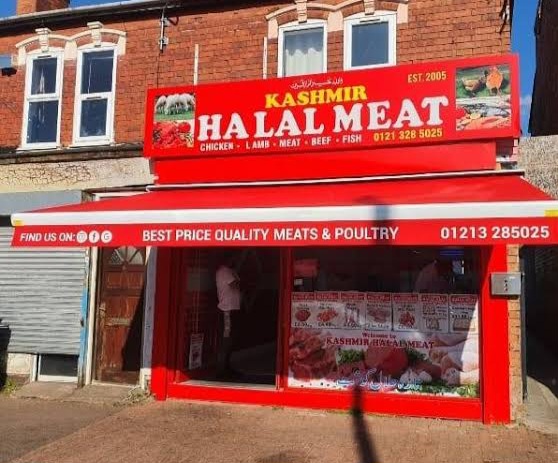
Srinagar: The All Kashmir Butchers Union on Saturday dismissed reports in sections of the print media suggesting that the revocation of the Mutton Control Order of 1973 by the Jammu and Kashmir government has led to exorbitant mutton prices in the retail market.
In a statement to Ziraat Times, the union termed such claims “false and frivolous,” asserting that the government’s decision to scrap the decades-old order has instead improved the quality and availability of mutton across the Valley while encouraging investment in the trade.
According to the union, the removal of the earlier regulatory regime has led to a “spontaneous, retailer-driven modernisation” of mutton shops and introduced greater transparency in the trade. It said open market practices have ensured uninterrupted supply of mutton throughout Kashmir and curtailed the activities of black marketers who, under the earlier system, allegedly hoarded supplies and sold meat at inflated prices during religious occasions.
The union claimed that a small cartel that previously dominated the trade has been “defeated comprehensively” following the administration’s shift from strict price control to monitoring of quality and supply. It added that the administration has observed that incidents of mutton shortages in the market have “completely disappeared” since the order was revoked, with steady supply now available across all twenty districts of the Union Territory.
While welcoming the policy shift, the union urged the administration to strengthen market checking squads to ensure proper quality control, hygiene standards, and accurate weight and measurement of food products, including mutton.
The union also called on the government to invest in developing improved meat-producing sheep breeds and to establish a dedicated livestock mandi in Samba to attract traders from Rajasthan, Punjab and Haryana. Such a facility, it said, would enable direct buying and selling of livestock to meet the Valley’s growing demand for mutton.
Additionally, the union highlighted the need for improved multimodal transport and freight infrastructure to reduce the high cost of livestock transportation. It also urged authorities to expedite the completion of the proposed large-scale mutton storage, slaughter, grading and trade centre, which it said could emerge as North India’s second-largest dressed mutton market.