Guldanda, also known as Guli Danda, in the Bhaderwah region of Jammu & Kashmir has emerged as one of the most talked-about high-altitude tourist destinations this winter. Known for its expansive meadows and heavy snowfall, the area has recently captured national attention as tourists flock in large numbers following fresh snow and the reopening of key road links. The renewed interest has not only revived tourism in Bhaderwah but has also sparked conversations on how the region can be developed as a sustainable and culturally rich destination rather than a seasonal spectacle.
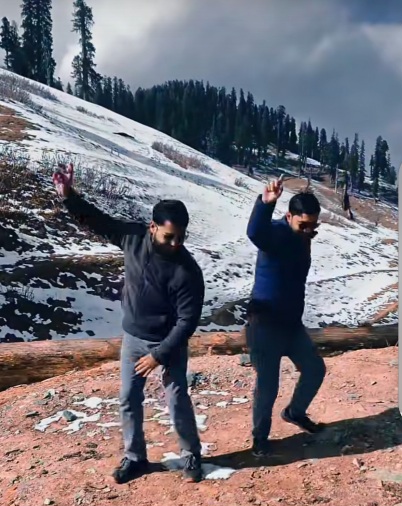
Located at an altitude of nearly 10,000 feet, Guldanda has often been described as a “mini Switzerland” for its alpine charm and snow-laden landscapes. Following the restoration of the Bhaderwah–Basholi–Pathankot National Highway, which had remained closed due to heavy snowfall, a surge of tourists has poured into the Doda district, particularly towards Guldanda meadow. In some areas, snowfall has reached up to three to four feet, transforming the region into a winter wonderland and drawing visitors from across the country.
The impact has been immediate and visible. As soon as the road was cleared by the administration with the support of the Border Roads Organisation, tourist vehicles began arriving in large numbers. Over the past year alone, more than five lakh tourists have visited various parts of Bhaderwah, with Guldanda emerging as a key attraction. Visitors have expressed delight at the snow-covered meadows, many saying that the destination has lived up to the growing hype around it. For several tourists, particularly those experiencing snowfall for the first time, the visit has been deeply emotional and memorable.
One visitor from Uttarakhand described her experience as the fulfilment of a childhood dream. After 18 years of seeing snow only in pictures or on television, witnessing it in reality was, she said, “fun and unforgettable.” Another tourist from Delhi spoke of the refreshing escape the place offered from routine work life, calling the experience “once in a lifetime” and saying the nickname “mini Switzerland” was fully justified. Such testimonies reflect the emotional pull that destinations like Guldanda now hold for travellers seeking nature, calm, and novelty.
The New Year’s Day snowfall was particularly significant, as it ended a dry spell of over two months and revived hopes for a strong winter tourism season in the Bhaderwah valley. Fresh snowfall in high-altitude areas such as Guldanda, Panj Nallah, and Chattargalla along the Bhaderwah–Pathankot highway brought hundreds of vehicles daily to these scenic spots. Tourists described the snowfall as magical and breathtaking, creating lasting memories, especially for first-time visitors from different parts of India. Despite the intense cold, many said they were enjoying every moment, calling the snow-covered landscape “fairy-tale-like.”
Beyond the immediate tourism rush, the renewed interest in Guldanda has also highlighted the broader potential of Bhaderwah as a year-round destination. Editorial discussions and tourism strategies increasingly emphasise the need to go beyond scenic views and promote culturally immersive experiences. Local dances such as Kud and Heran, traditional village life, homestays, handicrafts, and local cuisine are being seen as key elements that can enrich visitor experiences while ensuring that tourism benefits reach local communities.
Responsible tourism, rooted in local culture and environmental sensitivity, could help Bhaderwah avoid the pitfalls of unplanned development that have affected other hill destinations. Snowfall may be the initial attraction, but it is the region’s cultural depth, hospitality, and natural balance that can sustain long-term tourism growth. For a region with fragile ecology and immense heritage, this approach is not just desirable but essential.
As tourists continue to arrive in large numbers, the challenge now lies in managing growth wisely. Guldanda’s rising popularity offers an opportunity to shape tourism in Bhaderwah as an inclusive and sustainable model—one that preserves its pristine landscapes while creating livelihoods for local residents. If nurtured thoughtfully, this snowy meadow could become more than a seasonal hotspot; it could redefine Bhaderwah’s place on India’s tourism map.
The author is a regular columnist and freelance writer.


Comments are closed.