In recent years, a quiet but impactful shift has taken place within the global Kashmiri diaspora. Many Non-Resident Kashmiris (NRKs), residing across the Middle East, Europe, North America, and other regions, have begun to reconnect with their homeland not merely through emotional ties, but through active philanthropy, intellectual contributions, and civil society engagement. This revival of connection, powered by memory, belonging, and a deep sense of responsibility, is increasingly visible in the form of NRK-supported seminars, virtual meetings, health initiatives, scholarships, NGO collaborations, and even policy-oriented think tanks.
A welcome awakening
This collective awakening among NRKs is both timely and commendable. Even after acquiring foreign citizenship and settling into well-governed societies, many have not forgotten the land of their roots. While global migration often breeds emotional and physical distance, in the Kashmiri context, the reverse is becoming true: migration has become a mirror, reminding many NRKs of what their native land lacks—and what it needs.
A growing number of successful entrepreneurs, academics, engineers, doctors, and IT professionals are now devoting their time, resources, and intellectual capital to improving conditions in Kashmir. The motivation is not political ambition, but social healing. Whether it is supporting educational institutions, orphanages, or medical treatments for the underprivileged, or partnering with grassroots civil society groups, NRKs are emerging as silent contributors in Kashmir’s ongoing struggle for dignity and development.
Rebuilding through philanthropy
Philanthropy has always bridged the fortunate and the underprivileged. But in Kashmir’s case, NRK philanthropy also bridges exile and return, memory and responsibility—particularly crucial in a region where politics often eclipses development.
Through transparent crowdfunding platforms, digital networks, and accountability tools, NRK-led or supported initiatives are reshaping Kashmir’s humanitarian ecosystem. These efforts are addressing gaps in healthcare, education, mental health, and environmental conservation. NGOs that once survived on limited resources now see expanded reach and improved impact. Children who once walked barefoot to school now receive uniforms and books. Patients previously waiting months for basic diagnostics now access them free of cost—thanks to strategic donations from abroad.
Several NRK-driven organizations such as Kashmed, Kashmir Care Foundation (USA), Help Foundation (UK chapters), Kashmir Education Initiative, Kashmir Development Trust (Canada), Chinar International, and other informal forums of engineers, doctors, and professionals have launched structured interventions. Some collaborate directly with hospitals, medical colleges, and civil society organizations. Many have initiated mentorship programs connecting young Kashmiris with global professionals, thereby expanding their horizons and access to global opportunities.
The power of the diaspora voice
Beyond finances, NRKs offer something even more valuable—credibility, global experience, and a wider perspective. Having lived in societies governed by the rule of law, scientific thinking, and transparency, many NRKs seek to emulate these values in their contributions to Kashmir.
Their voices carry weight—both within Kashmir and on international platforms. They help correct misconceptions, foster nuanced discourse, and serve as soft power agents who mediate between local realities and global perceptions. Whether speaking at think tanks, international conferences, or within diplomatic circles, informed NRKs can guide more constructive and inclusive engagement with Kashmir.
The challenge of local partnerships
Yet, this re-engagement must be approached with caution. Many NRKs, driven by goodwill, occasionally find themselves aligned with local actors lacking integrity or service-mindedness—“long shadows with short men,” as the saying goes. This is more than inefficiency; it is a risk of betrayal. Philanthropy must never be hijacked by individuals who see it as a platform for self-promotion, manipulation, or personal gain.
Sadly, several local NGOs and self-styled activists operate in grey zones, with limited transparency and weak accountability. For every genuine changemaker, there is often another whose primary drive is power or profit. NRKs must therefore apply due diligence, establish verification systems, and demand documented proof of impact—especially where financial support is involved. The credibility of the entire NRK philanthropic effort hinges on ethical and transparent practices.
Moreover, NRK-led contributions should not be reduced to one-off donations or high-profile events. They must aim for long-term, institutional partnerships with legally compliant, professionally managed, and socially trusted organizations. Collaborating with reputed hospitals, government-recognized charities, and audited foundations ensures that support reaches those who truly need it.
Building sustainable and ethical models
To ensure sustainability, NRKs should consider creating and supporting institutional frameworks—such as endowment funds, scholarships, research grants, and public health initiatives—instead of relying on sporadic charitable acts. Initiatives that build capacity and foster self-reliance will create deeper, more enduring impact.
Above all, ethical principles must guide all contributions. Philanthropy should be free from religious, political, or ideological bias. The focus must remain on human dignity, justice, and equity—values that transcend borders and belief systems. Any impression that NRK donations are aligned with political interests or used for personal branding could seriously damage the credibility of even the most well-meaning efforts.
The need for a coordinated platform
A powerful next step could be the establishment of a neutral, transparent NRK Social Contribution Council—a voluntary platform that curates credible NGOs, develops best practices, monitors project outcomes, and connects diaspora donors with vetted grassroots partners. Such a council could offer due diligence reports, audited financials, and regular updates—ensuring both donors and recipients remain ethically accountable.
This platform could also evolve into an advocacy forum, enabling NRKs to collectively raise their voice on pressing issues such as environmental degradation, the healthcare crisis, education deficits, and substance abuse—thereby influencing public policy both within Kashmir and on international stages.
A shared responsibility
In a world where migration often leads to disconnection, the renewed activism of NRKs stands as a beacon of hope. These acts of giving are not merely charitable—they are expressions of identity and solidarity. This philanthropy is inherently political—not in a partisan sense, but in its affirmation of belonging and care.
Yet, for this awakening to translate into long-term impact, NRK contributions must remain ethical, vigilant, and institutionally supported. They must resist manipulation by local opportunists and instead empower those working quietly to uplift society.
In the end, it is not how far we move from our homeland that defines us—but how deeply we remain connected to its truth, its suffering, and its hope. Kashmir doesn’t demand grand gestures—it calls for remembering, contributing, and upholding its dignity with sincerity, commitment, and caution.
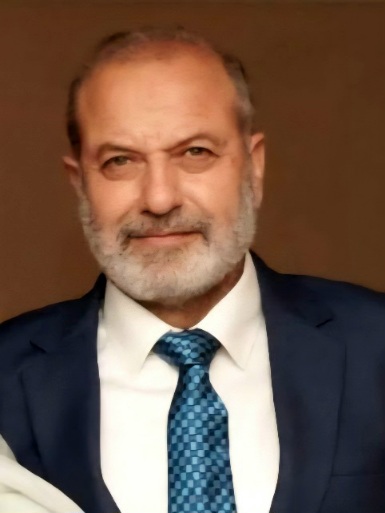
Dr. Fiaz Maqbool Fazili is a healthcare policy analyst, clinical auditor, and a specialist in patient safety and quality standards. He advocates for ethical governance, civil society strengthening, and responsible diaspora engagement. He can be reached at drfiazfazili@gmail.com


Comments are closed.