

PHERAN DIARIES – 19
By: Dr Sanjay Parva (bindasparva@gmail.com)
If you think our streams, springs and wells are immune to contamination, think again. Punjab once thought the same – until vast swathes of its Malwa region turned into what’s now called the “cancer belt”. The culprit? Decades of unchecked agrochemical use seeping silently into groundwater. Today, trains from Punjab to Bikaner are nicknamed the “Cancer Express” because they ferry hundreds of patients for treatment every month.
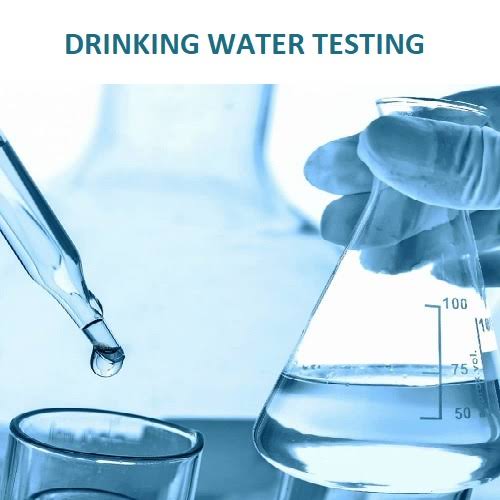
The warning is clear: what happened in Punjab can happen here – unless we act now. That action begins with on-field water testing stations in every panchayat. Here are ten reasons why this must become a policy priority today, not tomorrow.
1. Silent Poisoning Is Already Possible
You can taste salt in food and see dirt in a glass of water – but you can’t detect nitrates, arsenic, or pesticide residues without testing. What you don’t measure, you can’t fix.
2. Agriculture Is Turning into a Chemical Cocktail
Fertiliser and pesticide usage has risen sharply in Kashmir. When it rains, these chemicals don’t just vanish – they percolate into our springs and borewells. Punjab’s tragedy began with the same story.
3. Cancer Doesn’t Knock Before Entering
In Punjab, the surge in cancers and kidney failures was traced to long-term ingestion of contaminated groundwater. Kashmir is on a similar slope, with no monitoring system in place.
4. Our Water Sources Are Shrinking and Concentrating Toxins
Springs are drying, glaciers are retreating, and dependence on borewells is increasing. Smaller water reserves mean higher concentration of whatever pollutants enter them.
5. Panchayats Are the First Line of Defence
District-level testing labs are too few and too far. By the time results arrive, contamination could have spread. A panchayat-level unit means same-day testing and immediate action.
6. Protecting Livelihoods Is as Important as Protecting Lives
Water contamination doesn’t just affect health – it destroys farm credibility. A single report of pesticide-laden apples or toxin-filled trout can ruin export markets overnight.
7. Cost of Inaction Is Exponentially Higher
Setting up a basic panchayat water testing kit costs a fraction of what treating cancer or kidney disease costs a single family. Prevention is far cheaper than cure.
8. Tourism Can Collapse Without Clean Water
Our “pure mountain water” image is a tourism USP. Lose it, and we lose an entire sector’s income. Ask Himachal’s apple belt – it’s already struggling to fight off water-related disease stigma.
9. A Local Lab Creates Local Accountability
If panchayat members have monthly contamination reports in hand, they can’t pretend they didn’t know. It forces immediate local action – sealing polluting drains, banning dangerous practices, or fixing leaking septic tanks.
10. Once Contaminated, Groundwater Is Nearly Impossible to Clean
Unlike rivers, groundwater doesn’t flush out quickly. It can take decades to recover from chemical seepage – meaning if we delay, the damage could outlast an entire generation.
What Must Be Done
The J&K administration must launch a Panchayat Jal Suraksha Mission – equipping every panchayat with:
• A field water testing kit (for pesticides, nitrates, heavy metals, microbial contamination).
• Two trained locals to run fortnightly tests and report results.
• A public display board showing the water’s health status, updated monthly.
Punjab’s “Cancer Express” should be our wake-up call. We can either install a water testing kit in every panchayat now – or we can build cancer wards in every district hospital 15 years from now.
The choice is ours. And it’s one we can’t afford to get wrong.
An author, a communications strategist, Dr Sanjay Parva was a debut contestant in 2024 Assembly elections.
Comments are closed.