


By: Hilal Bhat
Figs, commonly known as Anjeer, are celebrated for their remarkable health benefits. However, some vegans consider figs non-vegetarian due to the intriguing role of pollinating wasps in their development. Curious about the science behind this claim? Let’s explore the fascinating facts and the ultimate truth.
Figs hold a special place in religious and cultural history. The Quran mentions them in Chapter 95, Verse 1, and Prophet Muhammad (PBUH) is reported to have said:
“If I were to tell you of a fruit that has been sent from paradise, it would be the fig.”
He also expressed his wish to see figs in heaven.
The Science Behind Figs and Their Pollination
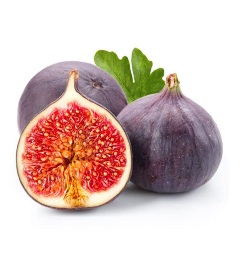
Interestingly, figs are not technically fruits; they are inverted flowers. Botanically, they are classified as an inflorescence, a cluster of hundreds of tiny flowers and seeds enclosed within a bulbous stem. Unlike most plants, figs conceal their flowers inside their pods, making it challenging for conventional pollinators like bees or wind to access them.
This is where the 1.5mm female wasp steps in. She crawls through a tiny opening at the base of the fig to deposit her eggs, often losing her wings and antennae in the process. Unable to escape, she pollinates the fig before dying inside. Here’s the fascinating part: the fig produces an enzyme called ficin, which breaks down the wasp into protein. By the time we eat a ripe fig, the wasp is fully digested and absorbed, leaving no trace behind.
So, are figs non-vegetarian because of this process? The short answer is no. The pollination of figs is a natural phenomenon, and the wasp’s involvement doesn’t render the fruit non-vegetarian. Moreover, not all figs rely on wasps for pollination; many commercially grown figs are pollinated using plant hormones.
The Vegan and Jain Perspective
The debate over figs being vegetarian or vegan stems from the role of the wasp. While some in the Jain community argue against figs due to the involvement of insects, others accept figs as a natural product free from human-led animal exploitation. Veganism, after all, is a movement against exploitative animal consumption, and fig-wasp pollination is a purely natural process.
Health Benefits of Figs
Figs are a nutritional powerhouse. They are rich in dietary fiber, antioxidants, and essential nutrients like copper, potassium, magnesium, manganese, and vitamin K. Their health benefits include:
- Improved Digestion: The high fiber content supports gut health and relieves constipation.
- Heart Health: Figs help lower blood pressure and cholesterol levels.
- Energy Boost: Their natural sugars provide a quick source of energy.
- Anticancer Potential: Nutrients in figs may have anticarcinogenic properties.
- Blood Sugar Management: Despite being high in natural sugar, their fiber content reduces the glycemic impact.
However, it’s worth noting that figs, especially dried ones, contain high sugar levels. Consuming them in moderation is key, as six dried figs provide about 24 grams of sugar.
The Bottom Line
While the story of wasps is true for some wild figs, it doesn’t apply to the figs commonly available in grocery stores. These are entirely plant-based and suitable for vegetarians and vegans alike. Figs are a wholesome, guilt-free fruit that people from all walks of life can enjoy.
About the Author:
Bhat Hilal Ahmad holds a Master’s degree in Biotechnology. He is a writer, analyst, and columnist with a keen interest in health and science topics.
Comments are closed.