

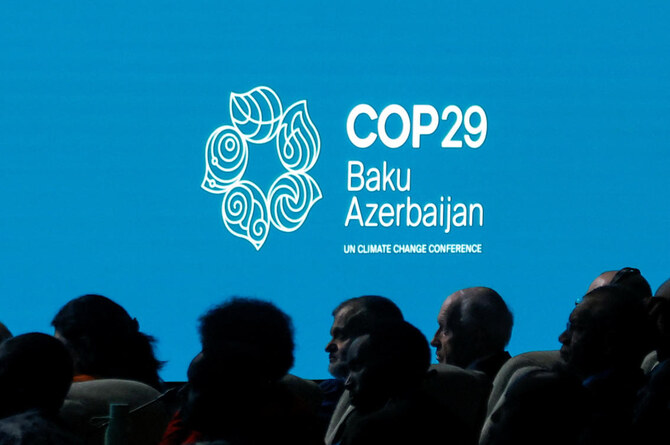
Baku: COP29, the annual UN climate conference, has begun in Baku, Azerbaijan, gathering leaders, negotiators, and climate experts from around the world to tackle the escalating climate crisis.
This year’s discussions focus on five critical areas that aim to reshape global climate action strategies, address gaps, and strengthen international cooperation to meet pressing environmental challenges.
1. Climate Finance: A major focus in Baku is on boosting climate finance, particularly through the New Collective Quantified Goal (NCQG), designed to surpass the previous $100 billion annual goal pledged in 2009. The aim is to channel significantly more funding into low-income and vulnerable nations that are bearing the brunt of climate impacts. Adequate financing is essential for these countries to implement mitigation and adaptation measures, ensuring that they are equipped to deal with climate risks without exacerbating poverty or economic inequality.
2. Loss and damage funding: Another priority at COP29 is expanding financial support for “loss and damage,” addressing irreversible impacts like flooding, droughts, and extreme weather events. COP28 saw the establishment of a loss and damage fund, but its contributions still fall far short of the estimated $580 billion needed annually by 2030 to help vulnerable countries recover. Building up this fund is essential for countries facing unavoidable climate impacts, providing resources to rebuild and protect communities hit hardest by climate events.
3. Global Goal on Adaptation (GGA): Adaptation financing, a longstanding challenge, is receiving special attention. The current financing gap, estimated at $194-366 billion annually, hinders developing countries from building resilience to climate impacts. At COP29, nations are discussing ways to enhance the GGA, setting tangible targets to strengthen adaptation at the national and local levels. Emphasizing adaptation helps mitigate the risks associated with rising temperatures and extreme weather, protecting agriculture, infrastructure, and public health in vulnerable regions.
4. Ambitious national commitments and the Global Stocktake: Nations are urged to make more ambitious national climate pledges, aligned with the Global Stocktake, which assesses progress toward limiting global warming. Updated Nationally Determined Contributions (NDCs) are crucial, particularly as major emitters commit to sharper reductions by 2030 to keep the 1.5°C target within reach. Stronger commitments are essential to catalyze comprehensive climate action across sectors like energy, transportation, and agriculture, ensuring countries are on a realistic path to their net-zero targets by mid-century.
5. Carbon markets and Article 6 of the Paris Agreement: Carbon markets, governed by Article 6, allow countries to trade emissions credits, creating economic incentives for reducing greenhouse gas emissions. COP29 discussions are expected to refine rules for these markets, focusing on preventing double counting and ensuring that market mechanisms genuinely contribute to emission reductions. Effective carbon markets could drive investment in green technology, supporting countries in meeting their climate goals more cost-effectively.
These five areas are pivotal for the success of global climate efforts, providing a framework to address both immediate and long-term climate impacts. With a stronger emphasis on finance, loss and damage, adaptation, ambitious targets, and market-based solutions, COP29 aims to bridge gaps in existing frameworks and build resilience against future climate risks.
Comments are closed.