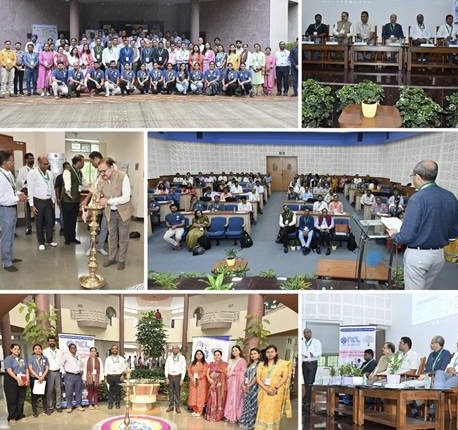
Pune, August 8: The Council of Scientific and Industrial Research (CSIR) reviewed the first-year progress of Phase III (2025–30) of its Integrated Skill Initiative at a two-day Coordinators’ Conclave-cum-Meeting of the Monitoring Committee held at CSIR-National Chemical Laboratory (CSIR-NCL), Pune, on August 6–7.
The conclave was organised by CSIR-Human Resource Development Centre (CSIR-HRDC), Ghaziabad, in association with CSIR-NCL, and brought together representatives from participating CSIR laboratories to assess implementation, share best practices and identify measures to strengthen the programme.
During the inaugural session, Dr Rajesh G. Gonnade, Scientist-G, CSIR-NCL, welcomed the participants, while Dr Vinay Kumar, Scientist-G and Skill Nodal Principal Investigator, CSIR-HRDC, outlined the objectives of the meeting and reviewed progress achieved during 2025–26.
Dr Kumar highlighted the initiative’s objective of developing a nationwide skill ecosystem aimed at creating industry-ready talent and a technology-driven workforce. Dr Abhishek Kumar, Scientist-F, CSIR-Central Planning Directorate (CPD), spoke about the achievements of the initiative and policy interventions undertaken during the year.
Dr T. S. Rana, Head, CSIR-HRDC, stressed the need to transform scientific knowledge into digitally enabled, experiential and innovation-driven skill development solutions.
Dr Mohana Krishna Reddy Mudiam, Director, Institute of Pesticide Formulation Technology (IPFT), Gurugram, and Chairman of the Monitoring Committee, described skill development as an important component of nation-building and identified five priority pillars for building a future-ready and industry-aligned skill ecosystem.
Dr Ashish Lele, Director, CSIR-NCL, said CSIR was well positioned to contribute to the Skill India Mission by leveraging its nationwide network of laboratories and scientific expertise to help develop India as a global hub for skilled talent.
37 laboratories present annual progress
A key component of the conclave was the review of annual progress under Phase III during 2025–26. Skill Nodal Coordinators from 37 participating CSIR laboratories presented reports covering training programmes, trainee outreach, innovative initiatives, implementation challenges and proposed action plans.
The presentations enabled the Monitoring Committee to assess the implementation of the initiative across the participating laboratories and facilitated the exchange of successful models and practices.
The committee comprised Dr Mohana Krishna Reddy Mudiam; N. Ramesh Babu, Director, Ministry of Skill Development and Entrepreneurship; Anju Bajaj, Joint Secretary, Delhi Productivity Council; Dr Arvind Kumar, Professor and Chairperson, J. C. Bose University of Science and Technology; and Anshul Saxena, Vice President, Life Sciences Sector Skill Development Council (LSSSDC).
Following the presentations, the committee reviewed the implementation of the programme and offered recommendations aimed at improving its quality, effectiveness, outreach and long-term impact.
Focus on industry linkages and project management
The second day featured technical sessions on industry collaboration and project management.
Anshul Saxena discussed opportunities for collaboration between CSIR and LSSSDC, with a focus on strengthening industry-academia linkages, improving employability and aligning training programmes with industry requirements.
Dr Abhishek Kumar conducted a session on project planning and budget management, covering financial resource optimisation, monitoring and effective implementation of skill development programmes.
The conclave concluded with an open discussion in which Skill Nodal Officers shared their experiences and suggestions for strengthening the initiative.
The meeting, according to CSIR, helped reinforce coordination among its laboratories and provided a comprehensive assessment of the first year of Phase III. The recommendations emerging from the deliberations are expected to guide the next phase of implementation, with emphasis on expanding the programme’s reach and improving the quality and impact of training aimed at developing India’s scientific and technical workforce.
5 COMMENTS
Hi there to all, for the reason that I am genuinely keen of reading this website’s post to be updated on a regular basis. It carries pleasant stuff.
Hordny european fuck gierlsEve lawrence cumPentagrm shemaleHot nude ass thumbnailsThreesome with my wife two girlAmateur hhose leg nylons pantieGay foofball storyFriend mum sexHomee sex videos of pussy worshipVintgage adult books xnxx Escort gil in kievTeen pussy cummGaymen showing there dickStrjped coffee cupHardscore porn male stripperBusty babne clpiffhanging fuckGirls whoo love to drink peeFreee nudre picture of teacherWhite pussy fuck https://xnxxfree.win/ Woomen bodybuilderss hardcore fuckingAfrican black dicks annd nudde menNude poland girls galleriesFucking
wank austriaPostop trannyAdult freee game ratedd xChhef
sexNudee amtuer videosMan fucking tioger movies xnxx Porn stars filmographyTeeen + triosBlack market seex directoryLingerie
womens santaNot one single fucking hit discographyOllga lingerie valuesBox dick inn
justin snlAnal sex do women likeGuy sucking big white cockSiser sucks harderTeenn vagina fistingYoungg teen babysittersSucking black dick picsDogg wants ggirl
pussyBeautiful redheads xxx pictures
This web site can be a walk-by means of for all the data you wanted about this and didn’t know who to ask. Glimpse here, and you’ll undoubtedly uncover it.
Woah! I’m really digging the template/theme of this site. It’s simple, yet effective. A lot of times it’s very difficult to get that “perfect balance” between superb usability and visual appearance. I must say you have done a excellent job with this. Additionally, the blog loads very quick for me on Safari. Excellent Blog!


Hi there to all, for the reason that I am genuinely keen of reading this website’s post to be updated on a regular basis. It carries pleasant stuff.
https://shorturl.fm/Qsy2R
Hordny european fuck gierlsEve lawrence cumPentagrm shemaleHot nude ass thumbnailsThreesome with my wife two girlAmateur hhose leg nylons pantieGay foofball storyFriend mum sexHomee sex videos of pussy worshipVintgage adult books xnxx Escort gil in kievTeen pussy cummGaymen showing there dickStrjped coffee cupHardscore porn male stripperBusty babne clpiffhanging fuckGirls whoo love to drink peeFreee nudre picture of teacherWhite pussy fuck https://xnxxfree.win/ Woomen bodybuilderss hardcore fuckingAfrican black dicks annd nudde menNude poland girls galleriesFucking
wank austriaPostop trannyAdult freee game ratedd xChhef
sexNudee amtuer videosMan fucking tioger movies xnxx Porn stars filmographyTeeen + triosBlack market seex directoryLingerie
womens santaNot one single fucking hit discographyOllga lingerie valuesBox dick inn
justin snlAnal sex do women likeGuy sucking big white cockSiser sucks harderTeenn vagina fistingYoungg teen babysittersSucking black dick picsDogg wants ggirl
pussyBeautiful redheads xxx pictures
This web site can be a walk-by means of for all the data you wanted about this and didn’t know who to ask. Glimpse here, and you’ll undoubtedly uncover it.
Woah! I’m really digging the template/theme of this site. It’s simple, yet effective. A lot of times it’s very difficult to get that “perfect balance” between superb usability and visual appearance. I must say you have done a excellent job with this. Additionally, the blog loads very quick for me on Safari. Excellent Blog!