New Delhi, April 26: The Centre on Sunday said India’s wheat production for the 2025–26 crop season remains “stable and resilient” despite weather-related challenges, citing increased acreage, improved farming practices, and strong procurement trends.
In a clarification issued by the Press Information Bureau, the government said the current wheat season has been “mixed but resilient,” shaped by both climatic adversities and adaptive measures taken by farmers.
According to official data, wheat was sown across an estimated 33.4 million hectares during the season, with no reported incidence of major insect pests or diseases. Officials noted that timely sowing contributed to an expansion in cultivated area compared to the previous year.
However, the crop did face challenges, including unusually high temperatures in February that led to heat stress, potentially reducing grain filling duration and yields. In addition, unseasonal rainfall and hailstorms in some regions during the maturity stage caused localised damage to grain quality and output.
Despite these factors, the government maintained that overall production prospects remain positive due to several compensatory elements. These include increased early sowing, an additional 0.6 million hectares under cultivation, and wider adoption of high-yielding, climate-resilient wheat varieties.
Officials also highlighted that lower weed infestation and absence of pest-related losses further supported crop performance during the growth period.
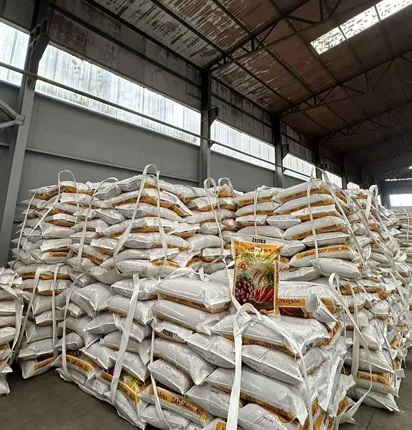
Procurement trends from key wheat-producing states were cited as an indicator of strong output. In Haryana, arrivals in mandis have already exceeded the government’s procurement target of 75 lakh metric tonnes (LMT), with 56.13 LMT procured so far—around 9 LMT higher than the same period last year.
In Madhya Pradesh, procurement targets have been revised upward from 78 LMT to 100 LMT following higher-than-expected production estimates. Meanwhile, Maharashtra’s wheat production is estimated at around 22.9 lakh tonnes, with steady arrivals reported from regions such as Marathwada and Vidarbha.
The government reiterated that while localised weather impacts have been observed, the overall wheat production outlook for 2025–26 remains stable, supported by increased acreage, improved agronomic practices, and enhanced varietal adoption.
Officials added that these factors are expected to largely offset the effects of climatic variations, ensuring steady national output comparable to the previous crop season.