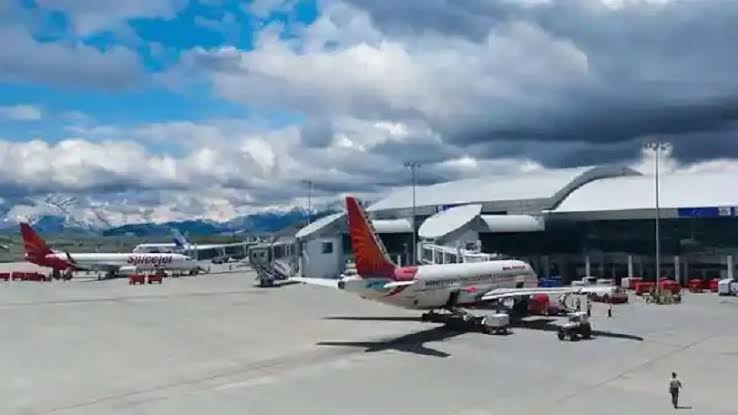
New Delhi/Srinagar: Aviation turbine fuel (ATF) prices witnessed an unusual spike on Wednesday, briefly crossing the ₹2 lakh per kilolitre mark in Delhi before being revised for domestic airlines, raising fresh concerns about the potential impact on air travel costs across the country, including tourist-dependent regions like Kashmir.
This follows a global trend in scarcer ATF and price hike in most of the other countries in the last few days.
According to a Ministry of Petroleum update, ATF prices in Delhi were initially raised from ₹96,638.14 per kilolitre to ₹2,07,341.22 per kilolitre — the first time the jet fuel rate crossed ₹2 lakh per kilolitre. Within hours, however, the price applicable to domestic airlines was revised downward to ₹1,04,927 per kilolitre.
Despite the revision, the development highlights volatility in aviation fuel prices, which remain a major cost component for airlines operating in India. Industry analysts note that fuel expenses typically account for a significant share of airline operating costs, meaning even moderate increases can eventually influence ticket pricing.
Possible Impact on Air Travel Costs
If sustained, higher ATF prices could lead to gradual increases in airfares across India, particularly on routes where airlines already operate on thin margins. Airlines may adjust ticket prices, reduce discounts, or impose fuel surcharges to offset the added costs.
The impact could be more pronounced in regions like Jammu and Kashmir, where air connectivity plays a crucial role in tourism and business travel. Routes connecting major cities with Srinagar International Airport are especially sensitive to fare changes because a large share of visitors rely on flights rather than road or rail links.
Tour operators and travel industry stakeholders in Jammu and Kashmir say any rise in airfares during peak travel seasons could affect tourist inflows, particularly budget travellers and domestic tourists who form a large portion of visitors to the Valley.