As Iran crisis sparks fertiliser supply fears, J&K farmers advised to prepare

Ziraat Times Team Report

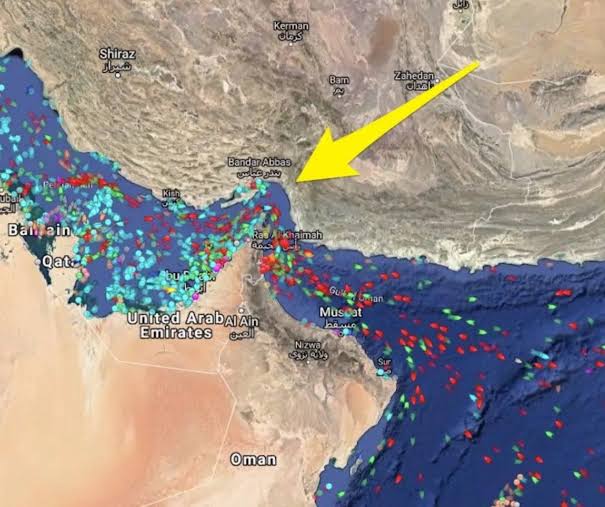
Srinagar, March 4: Rising tensions in West Asia and concerns over possible disruption in the Strait of Hormuz have triggered fresh worries over India’s fertiliser supplies from the Gulf region, particularly ahead of the upcoming kharif season.

As per latest data, India is heavily dependent on imports to meet its fertiliser needs. According to the Fertiliser Association of India, the country imports a substantial portion of its urea, di-ammonium phosphate (DAP) and other complex fertilisers. Government data show that India imported about 7.17 million tonnes of urea during April–November 2025, more than double the 3.26 million tonnes imported in the same period the previous year.

Industry estimates indicate that India imports roughly 20–25 per cent of its urea requirements and nearly 50–60 per cent of its phosphatic fertiliser needs.

Much of this imported material, both finished fertilisers and essential raw inputs like sulphur and ammonia, is sourced from the Middle East and Gulf countries. West Asian suppliers, including Iran, Saudi Arabia, the United Arab Emirates, Qatar and Oman, are important exporters of sulphur and feedstocks used in fertiliser production. Supplies of sulphur from Qatar, the UAE and Oman reportedly account for about 76 per cent of India’s total sulphur imports, a critical ingredient in producing di-ammonium phosphate (DAP) and single super phosphate (SSP).

As of 2025, India’s fertilizer imports from the Persian Gulf—specifically those transiting the Strait of Hormuz—represent a critical strategic dependency, accounting for approximately 33% to 45% of the nation’s total finished fertilizer supply. According to data from the Ministry of Chemicals and Fertilizers and trade reports for the 2024–25 fiscal year, India imported approximately 56.47 lakh metric tonnes (LMT) of Urea, with nearly 62% originating from Gulf nations such as Oman (26.13 LMT), Saudi Arabia (5.38 LMT), and Qatar (3.70 LMT). Additionally, the region supplied roughly 42% of India’s Muriate of Potash (MOP), led by Saudi Arabia at 19.05 LMT, and about 15% of NPK complexes.


Although India has been diversifying its import basked to Russia and Morocco lately, industry analysts warn that any sustained disruption to shipping through the Strait of Hormuz — which links the Persian Gulf with the Arabian Sea and through which a significant portion of global fertiliser and chemical trade passes — could tighten supply chains and potentially drive up prices. A recent market report noted that Iran alone accounts for about 10 per cent of global urea exports, with the broader Middle East responsible for roughly a quarter of global fertiliser flows.

According to the Ministry of Chemicals and Fertilizers, India’s fertiliser subsidy bill stood at around ₹1.9 lakh crore in 2024–25, reflecting the scale of imports and price support extended to farmers.

Market analysts warn that any prolonged disruption in shipping through the Strait of Hormuz could delay consignments, increase freight and insurance costs and push up global fertiliser prices. While there is no immediate shortage reported, supply bottlenecks could emerge if tensions escalate.

Advisory for Jammu & Kashmir farmers

Agricultural experts advise farmers in Jammu & Kashmir to plan cautiously for the upcoming farming cycle. Experts at the Agriculture Department, speaking to Ziraat Times, have made the following recommendations to farmers in case of supply hiccups:

Advance planning: Purchase essential fertilisers early, based on recommended doses, to avoid last-minute shortages.

Soil testing: Conduct soil health tests to prevent overuse and optimise nutrient application.

Integrated nutrient management: Increase the use of organic manure, compost, vermicompost and bio-fertilisers to reduce dependency on chemical inputs.

Crop diversification: Consider diversifying into less fertiliser-intensive crops where feasible.

Agriculture Department officials said they are monitoring stock positions closely and are coordinating with suppliers to ensure adequate availability.

Experts say that proactive planning, efficient nutrient use and diversification can help buffer farmers against potential supply disruptions while maintaining productivity.

In the best case scenario of end of iran war and the opening of the strait of hormuz for normal trade, industry analysts believe there would be no imminent shortage of supplies and that there is no need for worries or panic buying in that case.

LEAVE A REPLY

Please enter your comment!
Please enter your name here