Retirement in civil service is often described as a well earned rest after decades of responsibility. Yet, for many former bureaucrats, the day after retirement arrives not with relief alone, but with an unexpected silence. The files stop coming, the phone rings less frequently, and the authority that once shaped daily life quietly dissolves. What follows is not merely the end of employment, but the beginning of a profound psychological and social transition.
For years, a civil servant’s identity is inseparable from office. The designation precedes the name. The chair confers relevance.His decisions matter, opinions carry weight, and time is structured by urgency. Retirement abruptly removes all this scaffolding. The loss is not primarily of salary, as pensions take care of a part of that, but of purpose, routine, and institutional belonging.
One of the most difficult aspects of post-retirement life is the erosion of social validation. In service, respect often flows automatically, mediated by position held. After retirement, respect becomes conditional, earned through personal engagement rather than official authority. This shift can be unsettling for some. Many retirees experience, to the extent of expression, a sense of invisibility, especially in a society that values power more than worth and wisdom.
Equally challenging is the loss of intellectual stimulation. Civil service, despite its constraints, demands constant problem solving, negotiation, and decision making. Without a conscious effort to replace these mental engagements, retirement can slide into monotony, leading to disengagement or even depression. It is important to acknowledge this loss honestly.
Yet retirement also offers something rare in public life: freedom without ambition. Freed from the pressures of promotion, postings, and political calculations, a retired civil servant can finally think and act without fear or favour. This freedom, if embraced, can be deeply enriching.
One meaningful avenue is mentorship. The experience accumulated over decades of governance, crisis management, and institutional memory is a national resource. Guiding young civil servants, aspirants, or students can be immensely fulfilling. Advice offered without authority often carries greater moral weight.
Writing is another powerful post retirement pursuit. Many officers discover that the reflections they never had time to articulate find voice only after leaving service. Memoirs, policy essays, columns, or even local histories allow retired officials to contribute to public discourse with honesty and depth.
Academic engagements also provide platforms for continued relevance. As guest lecturers, researchers, or fellows, retired civil servants can enrich institutions with practical insights often missing from theoretical frameworks. Unlike in service, ideas can now be expressed without institutional filters.
Community service, too, takes on a different meaning after retirement. Working with Advocacy groups, NGOs, educational initiatives, or environmental groups offers the satisfaction of service without hierarchy or files. Service without power often feels more humane and more real.
Equally important is the rediscovery of the personal self. Years spent balancing public duty often leave little room for private passions. Reading for pleasure, long walks, gardening, travel without protocol, or spiritual exploration help reclaim parts of the self that were deferred, not lost.
Coping with the loss of work identity requires a conscious redefinition of self. The shift must be from designation based identity to value based identity. One is no longer an officer, but a thinker, mentor, writer, or engaged citizen. Influence no longer flows through orders, but through ideas and example.
Creating a new routine is essential. Structure guards against emptiness. Fixed waking hours, daily reading or writing, physical activity, and social interaction provide rhythm to days that might otherwise blur into each other. Unstructured time, if left unattended, can quietly become loneliness.
Perhaps the hardest lesson is learning to let go gracefully. Constant comparison with the past, when authority was unquestioned and relevance automatic, only deepens dissatisfaction. The power of yesterday should not overshadow the possibilities of today.
Civil service teaches one how to run systems. Retirement teaches how to understand life beyond systems. What is lost is power; what is gained is perspective. Those who flourish after retirement are not the ones who seek another chair, but who build meaning beyond office walls.
In the end, retirement is not an exit from public life. It is an invitation to engage with society in a different, often more authentic way, guided not by files and rules, but by experience earned over a lifetime of service. I for one am trying to practise what is preached in above paragraphs and honestly I feel life after retirement can be purposeful rather than boring. Perhaps interest in academics makes all the difference.
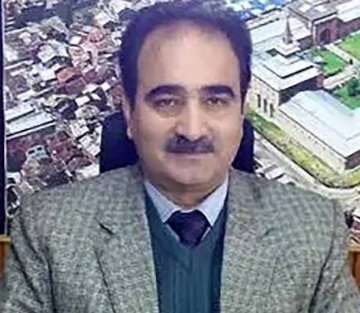
(The writer has served in several senior positions in J&K Govt, including as Chairman J&K Public Service Commission)