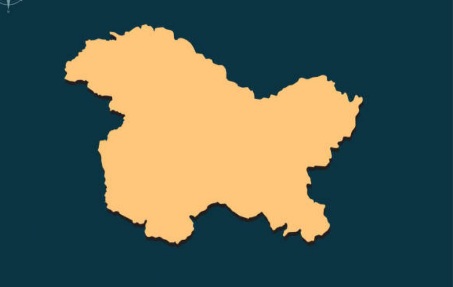
New Delhi, Feb 3: Jammu and Kashmir has emerged as a major beneficiary of the Centre’s drive to expand Primary Agricultural Credit Societies (PACS), dairy and fisheries cooperatives, with 1,565 new cooperative societies registered across 20 districts under a national plan to cover all panchayats and villages over the next five years.
According to data shared in Parliament, Jammu and Kashmir has recorded the establishment of 216 new PACS, 1,313 dairy cooperative societies and 36 fisheries cooperatives, placing the Union Territory among the leading regions benefiting from the cooperative expansion initiative aimed at strengthening rural credit, allied agriculture and farmer incomes.
The Government of India has approved the creation of new multipurpose PACS, dairy and fisheries cooperatives across the country. As of January 20, 2026, a total of 32,802 new cooperatives have been registered nationwide, while 15,793 existing dairy and fisheries cooperatives have been strengthened, based on data from the National Cooperative Database (NCD).
Among other states, Uttar Pradesh has topped the list with 5,925 new cooperatives, followed by Bihar (4,648), Rajasthan (3,583), Odisha (2,281) and Madhya Pradesh (1,763). These states, along with Jammu and Kashmir, account for a substantial share of the newly formed cooperative institutions.
The government said it carries out state-wise and regional gap analysis using the National Cooperative Database to prioritise aspirational districts and backward regions for cooperative coverage. Independent or third-party evaluation of the newly formed cooperatives has not yet been planned.
As part of modernisation efforts, 61,478 PACS out of 79,630 sanctioned nationwide have been digitised, enabling services such as Core Banking Solutions (CBS), Aadhaar-enabled Payment Systems (AePS), UPI and other digital platforms to strengthen cooperative banking and financial inclusion.
To transform PACS into multipurpose, inclusive institutions, Model Bye-laws have been circulated to all States and Union Territories. These provide for wider membership and mandatory representation of women and Scheduled Castes and Scheduled Tribes (SC/STs) in cooperative governance. The Multi-State Cooperative Societies (Amendment) Act, 2023 mandates reservation of seats for women and SC/ST members, while the National Cooperation Policy 2025 further emphasises leadership roles for women and weaker sections.
The Model Bye-laws allow PACS to operate as single-window service centres for farmers, offering access to affordable credit, quality inputs, warehousing, custom hiring services and primary processing facilities, aimed at improving income realisation for small and marginal farmers. As of late 2025, 32 States and Union Territories have adopted or aligned their laws with the Model Bye-laws.
The information was provided by Union Minister for Home and Cooperation Amit Shah in a written reply to the Lok Sabha.