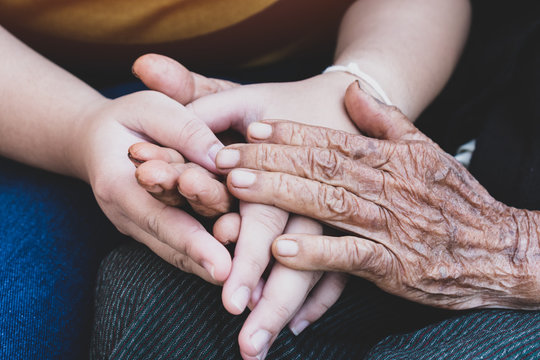
An anonymous quote captures the essence of adulthood with painful honesty: “Growing up is all about watching your parents grow older and dying a little inside every time.” Watching our parents—once young, energetic and seemingly invincible—grow old and frail is one of life’s most heartbreaking and inescapable realities. Coming to terms with this transition brings anxiety, anticipatory grief and a deep sense of loss. Yet, embracing the natural cycle of life, however painful, is unavoidable. We get to live, and likewise, we get to die.
Each time the reality strikes that my beloved parents will not be with me forever, it breaks my heart. Life continuing without them is a thought that lingers relentlessly. One of the few ways to ease this anxiety is to focus on caregiving—nurturing, reassuring, protecting, loving, and above all, ensuring that their dignity and respect are never compromised.
This, to me, is the purest form of love: striving to be the best son or daughter one can be. In societies like ours, where assisted living for the elderly is virtually absent, caregiver burnout is real and often overlooked. Venting anxiety and allowing emotional catharsis become essential for maintaining calm and balance in stressful situations.
Challenges are inevitable, many of them beyond our competence, leaving us feeling helpless and frustrated. My belief is simple: give parental care your very best, but do not try to play God. Nature cannot be defied. Acceptance—of others and of our own eventual ageing—is essential to face the ultimate truth of death. Denial serves no purpose, whether through avoidance, silence, or attempts to mask ageing with superficial solutions. The pain cannot be softened by pretending it does not exist.
There are moments when I do not want to think of my parents as old. But reality soon asserts itself. If these thoughts are ignored, they risk becoming an unspoken burden, robbing us of joy and peace. All possible solutions must be acknowledged and embraced.
My parents did not choose to grow old. Like anyone else, they would probably choose youth and vitality if given the option. But they cannot, and I must understand that. I must be patient. I must accept who they have become. And so, I have adapted—changing my mindset to enjoy them as they are, not as I wish them to be.
Their transition from caregivers to care receivers did not happen overnight. It was gradual, marked by a subtle but profound role reversal. From being protected, we as children become protectors. Responsibility for their well-being quietly but firmly moves to the forefront of our lives.
With age come health challenges—slower steps, delayed responses, weakening reflexes, and sometimes hospital beds surrounded by machines. Watching a parent suffer is emotionally and physically draining. Paternal love, in its depth and intensity, makes this pain especially difficult to bear.
I once believed my parents were invincible. They were the ones who had answers, who took charge, who made the world feel secure. Now, they ask me about a rapidly changing world that feels unfamiliar to them. It is strange, unsettling—and yet completely natural. Ageing alters our perception of our parents, as images of authority, strength and self-sufficiency gradually fade.
I always saw my father as strong and protective, my mother as endlessly caring and dependable. For most of my life, they seemed frozen in time—strong, energetic and unchanged. Until now.
Today, I see a fragile, white-haired mother and a grey-haired father who walks more slowly than before. The realization is finally sinking in that one day—hopefully many years from now—they may no longer be with me. When that time comes, I will need courage, strength and faith to let nature take its course and to continue living, writing new chapters of life.
There is, however, a brighter side. Advances in medical science have allowed people to live longer, granting us more time with our parents than previous generations ever had. For this, we must be grateful.
Let us cherish this time and never take their presence for granted. Speaking from experience, I share a deep bond with my parents. We have learned to accept one another as human beings and genuinely enjoy each other’s company. Quality time together has become something we value and look forward to.
In conclusion, honor and celebrate your parents while they are still here. Carry forward their spirit by living with purpose in this mysterious and wondrous cycle of life. Take the lessons they have taught you and live by them. More than anything, I want to make my parents proud—to show them that they did a good job raising me.
As one quote aptly puts it: “The cycle of life starts with creation, moves towards evolution, ends in dissolution, but leaves our traces to the new generation.”
The author is a regular columnist and freelance writer.