JAMMU, DEC 02: Jammu & Kashmir has accelerated the transition to India’s new labour law regime, with Chief Secretary Atal Dulloo on Monday reviewing the implementation status of the four recently enacted Labour Codes. The reforms—hailed as India’s biggest labour overhaul in decades—aim to simplify compliance and strengthen worker protections across sectors.
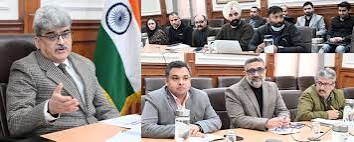
At a high-level meeting attended by senior officials from Labour & Employment, IT, Law, and Industries departments, Dulloo called the consolidation of 44 central laws into four streamlined codes a “major milestone” in improving ease of doing business while ensuring fair and safe workplaces. He directed the Labour Department to launch an extensive outreach campaign and expedite notifications, rule amendments and full integration with the National Labour Portal for transparent implementation.
Briefing the meeting, Secretary Labour & Employment Kumar Rajeev Ranjan said the Code on Wages introduces a statutory minimum wage for all workers, a national floor wage, and stronger protections against wage discrimination, including safeguards for transgender workers. The Industrial Relations Code provides a unified framework for trade unions, dispute resolution and fixed-term employment, while raising the threshold for mandatory standing orders to 300 workers. The Social Security Code extends benefits—including EPF, ESI and gratuity—to gig, platform and unorganised workers. The OSH Code merges 13 safety laws into a single system with electronic registration and strengthened safeguards for contract and migrant labour.
Labour Commissioner Charandeep Singh reported a sharp reduction in compliance burden: sections cut from 1,228 to 480, registrations from eight to one, licences from four to one, and returns from 31 to a single annual return.


Comments are closed.