

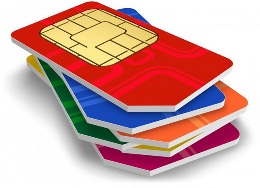
New rules mean tighter security, periodic relinking and no use of communication apps if the linked SIM isn’t in the device
New Delhi: The Department of Telecommunications (DoT) has issued strict new cyber-security directions requiring major communication and messaging apps—such as WhatsApp, Telegram, Signal, Snapchat, ShareChat, JioChat and other India-number–based platforms—to implement mandatory SIM-binding within 90 days. The move aims to prevent misuse of Indian mobile numbers for cross-border scams, impersonation frauds and digital arrest cases.
DoT said it had observed widespread misuse of app-based communication services that continue functioning even when the associated SIM is removed, inactive, or used abroad—making it difficult to trace criminals using Indian numbers. The directions, issued under the Telecom Cyber Security (TCS) Rules, 2024, follow consultations with multiple ministries, security agencies and major app providers.
What the New Directions Require
Under the new rules, communication apps that use Indian mobile numbers for user identification must:
-
Continuously bind each active account to the specific SIM card present in the device. The app must become unusable if the SIM is not in the phone.
-
Auto-logout all web/desktop sessions every 6 hours, requiring users to re-link the device through QR code authentication.
-
Complete implementation within 90 days and submit compliance reports within 120 days.
The mandatory SIM-binding extends standards already used in banking and UPI payment apps to the communication platforms that are now central targets for cybercrime.
Why the Rules Were Introduced
DoT said SIM-independent operation of messaging apps has enabled cybercriminals to run scams from outside India while posing as Indian numbers. Long-lasting web sessions allow remote account takeover and impersonation without requiring the physical SIM.
The government highlighted that cyber-fraud losses exceeded ₹22,800 crore in 2024, and ensuring traceability of Indian mobile numbers used in scams is essential.
Impact on Cybercrime Prevention
The ministry stated that a combination of SIM-binding and periodic web session logout will:
-
Eliminate long-lived remote sessions used by fraudsters
-
Force repeat re-authentication using the user’s device and SIM
-
Ensure every active account is traceable to a live, KYC-verified SIM
-
Reduce impersonation, phishing, investment scams and digital arrest calls