Mumbai: The 2nd National Well-Being Conclave concluded at the Indian Institute of Technology (IIT) Bombay on 22–23 November 2025, bringing renewed national attention to the mental health needs of students and faculty in India’s higher education sector. Organized in collaboration with the Department of Higher Education, Ministry of Education, the two-day gathering brought together representatives from around 80 Higher Education Institutions (HEIs), including 115 faculty members and 139 students.
Participants from Jammu & Kashmir, who attended the conclave, told Ziraat Times that the event was “a significant initiative to de-stigmatize conversations around mental health and promote well-being among students and teachers.”
Policy Momentum Behind Well-Being in Education
The conclave builds on national directives such as the National Education Policy 2020, the National Suicide Prevention Strategy 2021, and multiple UGC and Ministry of Education guidelines. Together, these emphasize the need for counselling infrastructure, inclusive campuses, and institutional accountability.
Economic Surveys of 2023–24 and 2024–25 have also underlined the economic rationale—stating that student well-being is essential for India’s long-term productivity and demographic dividend.
Inaugural Sessions and Key Messages
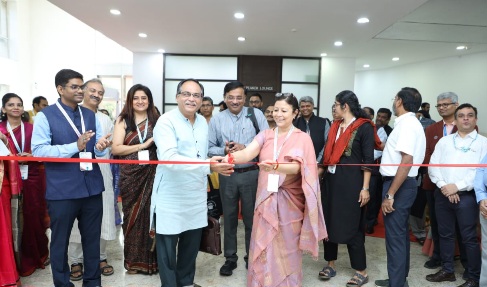
The event opened with a ceremonial lamp-lighting at IIT Bombay’s Convocation Hall.
Dr. Vineet Joshi, Secretary, Department of Higher Education, delivered the keynote address, emphasizing that mental well-being must be integrated into the core functioning of HEIs.
IIT Bombay Director Prof. Shireesh Kedare and IIT Jammu Director Prof. Manoj Singh Gaur stressed institutionalizing mental health systems instead of relying on ad-hoc responses.
A major highlight was the launch of the “Compendium of Emerging Best Practices of Well-Being Across the Country 2.0”, showcasing replicable well-being models from institutions nationwide.


Comments are closed.