

By: Rizwan Ahmad Dar, (PhD, Division of Aquatic Animal Health Management SKUAST-K)
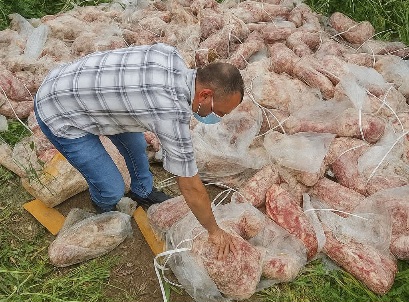
What has emerged over the past few days is nothing short of a calamity—a horror scenario that few among us could have gauged. Thousands of Tonnes of meat and processed wazwan items—kebabs, rista, gushtaba—were discovered in a state of ruin: spoiled, unsafe, and saturated with harmful, unapproved additives. These items were being sold directly or distributed through hotels and restaurants, placing entire communities at risk.
Initially, many believed this to be a localized or isolated misdeed limited to a few rogue people. But as officials conducted raids across the Kashmir Valley, the magnitude of the malpractice became horrifyingly clear: meat-stuff piled up like a toxic tsunami, flooding our streets and storage units.
Even more appalling were the actions of those seeking to evade detection—dumping tons of this toxic waste in marshes and along roadsides in Nowgam and Soura, further endangering public health and the environment.
Several freezing units were raided, uncovering supplies large enough to last for weeks, even months. The people behind them knew exactly what they were storing—yet chose profit over the very lives of those they were feeding.
Credit must be given where due: the Food and Drugs Administration (FDA) and related agencies acted swiftly, coordinating surprise raids across districts. In the last week alone, authorities seized and destroyed more than 3,500 kg of rotten, unlabelled meat from places including Zakura, Pulwama, Ganderbal, Safakadal, and Parimpora. This includes 1,200 kg removed from a Srinagar industrial estate, 500 kg seized in Pulwama’s Lasjan area, and thousands of kebabs and gushtaba laced with prohibited food colourants.
Enforcement teams even intercepted dumping sites: discarded meat found in marshlands, roadsides and near water bodies—tactics used to dodge inspection.
But these raids also raise critical questions: How did such large-scale malpractices go unnoticed until now? What gaps in regulation and oversight allowed a silent health threat to grow unchecked?
What pains us most is the uncomfortable truth: as individuals and consumers, how many of us turned a blind eye? When a plate of kebabs or any other wazwan was sold for an incredibly low price—₹18 or ₹20—how many questioned whether it was too good to be true?
We buy fried peas and potatoes glazed in unnatural colours, drenched in black-tar like oil, and silently feed these to our children. We shrug, we ignore.
Perhaps it’s time we taught our next generation what “home-cooked” should really mean—pure, safe, and prepared with care.
• Criminal accountability: Those responsible must face the full force of the law for putting public lives in peril.
• Supply chain scrutiny: From farm to plate, sources and handlers must be rigorously monitored.
• Regular, surprise inspections: Mandatory, unannounced checks should be institutionalized, especially for high-risk food items.
• Empower citizens: Encourage and facilitate public reporting of suspicious food practices.
• Civic education: Promote awareness of food quality, safety standards, and ethical consumption among all age groups.
The rotten-meat scandal in Kashmir isn’t merely a food safety crisis—it’s a moral rupture. The sheer volume of the spoilage, the brazen attempts at concealment, and the collective inaction highlight how far our vigilance had slipped. While authorities deserve recognition for their swift response, prevention is always better than cure. It’s time for both systemic reform and personal accountability. Only through shared responsibility can we hope to restore health, trust, and integrity to the food that feeds our families—and our conscience.
Comments are closed.