Srinagar: A fresh notification for recruitment to the Junior Scale of the Jammu & Kashmir Administrative Service (KAS), Accounts (G) Service, and Police (G) Service has reignited debate over representation of Kashmiri-speaking majority population in government jobs here.
The notification lists 80 vacancies across categories, of which 32 are for Open Merit (OM) candidates, while the rest are reserved for different categories including RBA, SC, ST, ALC/IB, OBC, and EWS.
While officials say the recruitment rules follow established reservation policies, several political leaders and civil society voices have expressed concern over what they describe as a “shrinking share” for open merit candidates, particularly among Kashmiri-speaking youth.
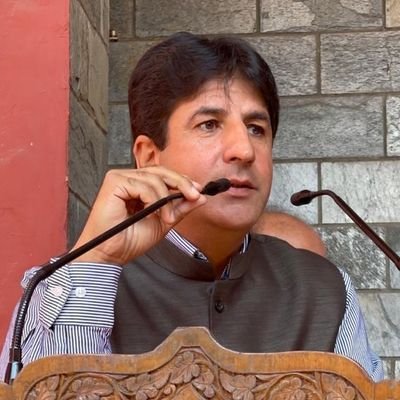
Voicing the sentiment on X, Syed Bashir Ahmed Veeri, a senior National Conference leader and MLA from Bijbehara, who is also the party’s vice president, termed the trend a “colossal injustice with open merit candidates.” He alleged that candidates from the open merit category, particularly Kashmiri-speaking aspirants, were facing “systematic exclusion from spheres of governance”, which he said appeared to be part of a deliberate design of disempowerment.
The leader stressed that this “unfortunate trend” must be corrected to ensure fairness and to prevent alienation among educated youth.
Senior journalist Ahmed Ali Fayyaz reacted to the notification by cautioning that with every government job advertisement and selection list, he develops a fear of “massive youth unrest someday in the future.” He added: “I pray being wrong in it.”
The job notification, issued under SRO-103 of 2018, stipulates that candidates must be domiciles of Jammu & Kashmir and hold a recognized bachelor’s degree. However, critics argue that despite meeting eligibility, the diminishing share for open merit discourages many aspirants who feel their chances of selection are narrowing.
Within the National Conference itself, dissenting voices are becoming louder. Member Parliament, Srinagar, Aga Ruhullah Mehdi has repeatedly questioned reservation policies that, in his view, are shrinking spaces for merit-based competition in Kashmir. He has argued that while affirmative action is necessary, the scales are increasingly tilted against deserving candidates from the open category.
Similarly, former Finance Minister Dr Haseeb Drabu has often raised concerns about the political economy of reservations in J&K. He has pointed out that reducing the share of open merit seats not only undermines competitiveness but also risks deepening alienation among educated Kashmiri youth, who already face limited private sector opportunities.
Observers note that in a region already grappling with unemployment and economic distress, recruitment processes carry significant political and social weight. The concerns raised over representation in recent notifications could further fuel debate on fairness and inclusivity in Jammu & Kashmir’s governance structure.