

PHERAN DIARIES – 20
By: Dr Sanjay Parva (bindasparva@gmail.com)
Budgam’s karewas have long been overlooked as “barren lands,” but in truth, they are untapped canvases for low-impact, high-revenue adventure tourism. A pilot project – carving a 10-km MTB circuit and certifying two paragliding take-off lawns – could establish Budgam as Kashmir’s new adrenaline hub. Done responsibly, this model balances thrill with livelihood, showcasing how ancient landscapes can fuel modern economies.
With their elevated ridges, commanding valley views, and proximity to Srinagar, they can transform into a hub for mountain biking (MTB) single-track trails and paragliding take-offs. Here are five compelling reasons why.
1. Natural topography built for speed and flight
Karewas are broad, elevated terraces with gentle gradients that naturally lend themselves to mountain biking tracks. Unlike steep alpine slopes, Budgam’s karewas offer a controlled descent – ideal for both beginners and advanced riders. Their flat ridgelines double as excellent take-off lawns for paragliders, providing smooth wind corridors and safe elevation gain without artificial ramps.
2. Breathtaking views and tourist appeal
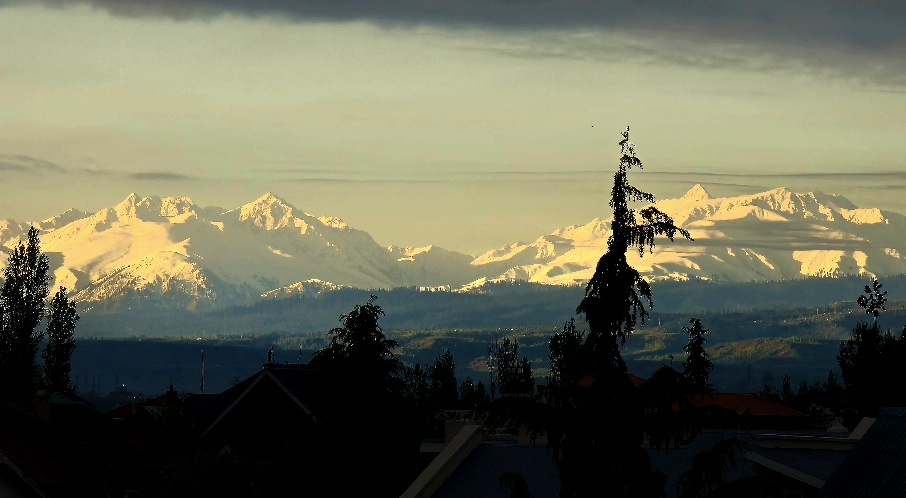
From the karewas, one can look down on apple orchards, saffron fields, and the vast valley floor, with the Pir Panjal range forming a dramatic backdrop. These panoramic views are not just a thrill for bikers and paragliders but also a magnet for urban tourists seeking Instagram-worthy adventure. Experiences such as sunset rides or tandem flights can be sold as premium packages, giving Budgam a competitive edge over crowded hill destinations.
3. Proximity to Srinagar and easy access
Adventure tourism thrives when activities are within quick reach of an airport. Budgam karewas sit barely 30–40 minutes from Srinagar International Airport, making them perfect for day-trippers, weekenders, and even international visitors with limited time. Unlike destinations such as Gulmarg or Pahalgam, karewa trails can be accessed without long road journeys – an advantage that reduces travel fatigue and encourages repeat visits.
4. Community-friendly economic model
Adventure activities require minimal land transformation – just marked trails, safety signages, and designated take-off points. This allows local communities to stay in control: panchayats or cooperatives can lease parts of karewas for adventure operators, collect user fees per ride or per flight, and reinvest in village amenities. Ancillary businesses – bike rentals, homestays, eateries – spread the revenue deeper across households, making the model inclusive and sustainable.
5. Proven global precedents for revenue
Across the world, dry plateau landscapes have been turned into adventure hubs.
• Moab, Utah (USA): A desert plateau town where MTB alone generates hundreds of millions of dollars annually, with visitors spending ~$282 per trip.
• Bir-Billing (Himachal Pradesh): Once an anonymous valley, now a paragliding capital drawing thousands of flyers each season.
• Rotorua, New Zealand – Volcanic Plateau MTB Paradise: Rotorua transformed its volcanic plateaus and pine forests into one of the world’s top MTB destinations. The Whakarewarewa Forest trail network now attracts over 200,000 riders annually, generating millions in local tourism revenue through rentals, races, cafés, and hotels.
• South Downs, England – Chalk Downs turned MTB & Hiking Corridor: Once mainly sheep-grazing lands, the South Downs Way, a 160 km trail, draws both bikers and walkers, creating year-round revenue for villages along the route through hostels, bike hire, and local food stalls.
• Pokhara, Nepal – Ridge-Top Paragliding Capital: Pokhara’s ridges, once just farmlands, are now the world’s top tandem paragliding hub, hosting over 6,000 flights annually.
An author, a communications strategist, Dr Sanjay Parva was a debut contestant in 2024 Assembly elections.