The healthcare system in Jammu and Kashmir has long suffered from chronic issues — including inadequate infrastructure, staff shortages, poor accountability, and systemic negligence. Despite repeated efforts over the years to uplift the region’s health sector, incidents like the recent tragedy at Srinagar’s Shri Maharaja Hari Singh (SMHS) Hospital lay bare the deep and dangerous fault lines that continue to undermine the system.
This particular episode reveals not just a lapse in medical ethics and institutional discipline, but also how an already fragile infrastructure can collapse when professionalism and oversight are not maintained. The case revolves around the tragic death of Javid Ahmad Bhat, allegedly due to medical negligence. While a formal investigation is expected to establish the facts, the very allegation reflects a troubling pattern across the region — one where patients routinely report being misdiagnosed, neglected, or denied timely medical attention at government hospitals.
Unfortunately, this is not an isolated case. Over the years, numerous complaints have surfaced pointing to systemic apathy and avoidable deaths. Patients are often made to wait endlessly, even during emergencies, or are turned away due to unavailability of beds or doctors. In the absence of independent medical audits, transparent accountability frameworks, or routine disciplinary mechanisms, such negligence — whether willful or resulting from overstretched systems — often goes unchecked. With no meaningful redress or consequences, public trust in government healthcare institutions is steadily eroding.
In the aftermath of the incident, tensions escalated further when a grieving relative reportedly slapped a doctor on duty. While any act of violence against medical personnel is reprehensible and unacceptable, this reaction speaks to a deeper crisis — a growing sense of powerlessness among patients and their families when faced with institutional indifference. In a functional healthcare system, there would be clear mechanisms for grievance redressal, helplines, ombudsmen, or at the very least, patient relations desks to help families seek clarity or accountability. Unfortunately, most hospitals in Jammu and Kashmir lack even the most basic avenues for complaint resolution, pushing frustrated and helpless attendants to confront staff directly during moments of despair. This vacuum in institutional response leads to chaos, hostility, and sometimes even physical altercations — endangering both caregivers and patients.
Perhaps the most alarming development in the aftermath of the SMHS incident was the complete suspension of services, including emergency care, by protesting doctors. While the safety and dignity of healthcare workers must be protected — and their right to protest acknowledged — halting life-saving services, even temporarily, is an ethical and legal dilemma. Tertiary hospitals like SMHS cater to hundreds of patients daily. A shutdown, even symbolic, can have catastrophic consequences, especially for those in critical need of care. Denying treatment as part of a protest amounts to punishing innocent patients who bear no responsibility for the incident. It raises urgent questions: Should essential service providers ever be allowed to halt operations completely in protest? Can alternative forms of protest be institutionalized — ones that convey dissent without compromising patient welfare? Is it not possible to ensure staff safety and pursue legal action against aggressors without interrupting vital public services?
The SMHS episode is not an isolated tragedy. It reflects the fragility of public trust, the unpreparedness of institutions, and a culture of impunity that continues to haunt healthcare delivery in Jammu and Kashmir. Addressing this crisis requires a comprehensive response. First, an immediate and impartial inquiry must be conducted into the alleged medical negligence to ensure justice and accountability. Second, every major hospital should establish a 24/7 patient grievance redressal cell staffed with trained personnel and equipped with escalation mechanisms. Third, legal protections for medical staff must be strictly enforced, ensuring their safety without shielding them from legitimate accountability. Fourth, essential service sectors like healthcare must develop structured, non-disruptive protest protocols — including wearing black badges, peaceful sit-ins, or limited-hour demonstrations that do not endanger patients. Fifth, hospitals must communicate effectively with the public during crises through official briefings, digital updates, or patient information counters to avoid panic and misinformation. Lastly, there must be a long-term commitment to rebuilding trust in the system. This means investing not only in infrastructure but also in ethics, training, transparency, and institutional compassion.
This incident must not be allowed to fade from public memory. It should serve as a turning point — a wake-up call for administrators, medical professionals, and society at large. In a region already grappling with political instability and resource limitations, the healthcare system must at least remain a sanctuary of hope and healing. Repairing and reforming this system will take more than just money — it will require moral clarity, institutional will, and a renewed sense of purpose.
Most troubling is the thought that if such a failure can occur at a leading tertiary care hospital in the heart of Srinagar, the conditions at smaller district and sub-district hospitals — with even fewer resources and oversight — may be even worse. The question that now looms large is whether this tragedy will finally spark the change that Jammu and Kashmir’s healthcare system so desperately needs, or whether, like so many before it, it will be buried in bureaucratic inertia and forgotten.
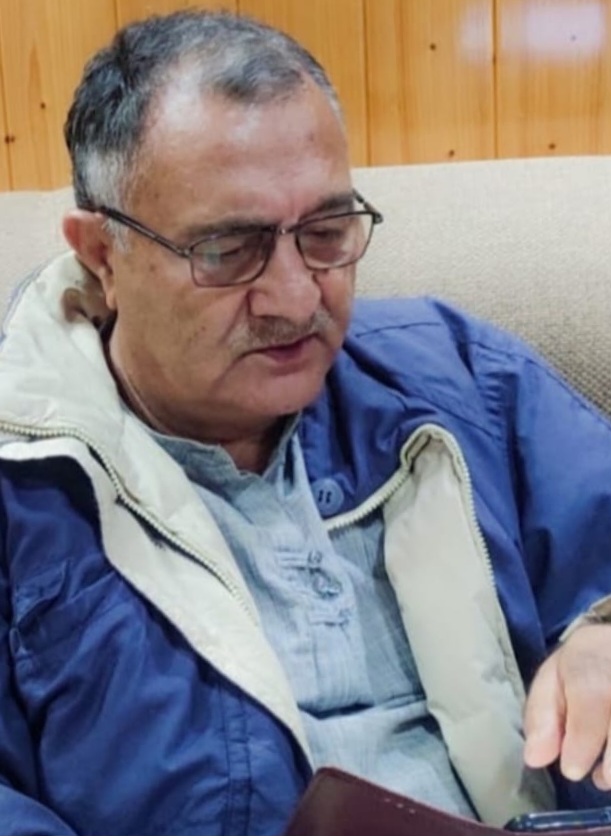
The author is a freelance columnist and national TV debater. Views expressed are personal. He can be reached at ahmaayaz08@gmail.com.


Comments are closed.