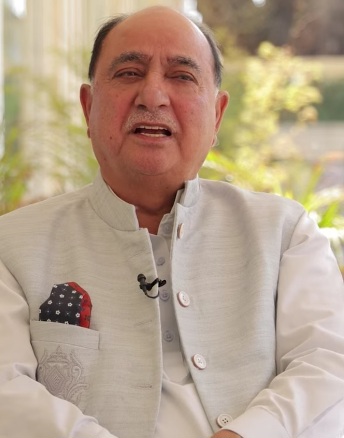
Srinagar: Kashmir’s tourism industry is facing one of its toughest phases in recent years, with hotel occupancy plummeting and arrivals dipping sharply after the recent attack on tourists in Pahalgam. Leading hotelier and business icon Mushtaq Chaya on Wednesday warned that the industry, which sustains nearly 35 lakh people directly and indirectly, is on the brink of a major crisis.
Speaking to Kashmir News Trust (KNT), Chaya said the incident had dealt a “fatal blow” to the Valley’s tourism sector. “Tourist arrivals are low, hoteliers are suffering, and many hotels remain unoccupied. This has created a ripple effect across transporters, guides, artisans and everyone connected with tourism,” he said.
In response, Chaya announced the formation of a ‘Tourism Revival Group’, an umbrella body bringing together all major and minor associations linked to the industry. The group, he said, will soon meet Prime Minister Narendra Modi and Lieutenant Governor Manoj Sinha to seek urgent intervention for reviving confidence among visitors.
“We don’t seek monetary benefits but revival of tourism. The Prime Minister, Chief Minister, Lieutenant Governor and Police can play a pivotal role in creating awareness about the safety and hospitality Kashmir offers. The world must know that Kashmir is safe for tourists,” Chaya stressed.
Calling for a coordinated approach, he underlined that the hospitality sector is ready to play its part, but government support and a nationwide awareness campaign are essential. “If the right message goes out, we can recover. Our infrastructure is ready, our hotels are ready, and our people are waiting to welcome guests,” he said.
Industry observers warn that the downturn comes at a particularly sensitive time, with winter bookings—usually a strong period for destinations like Gulmarg, Pahalgam, and Sonamarg—showing sluggish trends. If confidence is not restored quickly, they caution, Kashmir risks losing critical tourist business to other hill destinations across India.
Chaya appealed to local stakeholders to unite in defending the Valley’s tourism brand. “This is not about one association or one group, but about safeguarding the livelihood of lakhs of people. Unless there is a revival, thousands of families will continue to suffer,” he said.
The Tourism Revival Group will prepare a comprehensive memorandum outlining challenges such as security perceptions, inadequate international promotion, and the need for sustained investment. The delegation is expected to press the central government to ensure that Kashmir remains among India’s premier travel destinations.