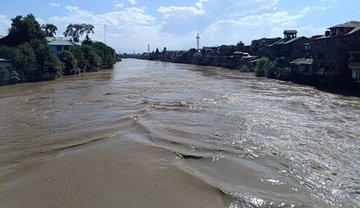
SRINAGAR: On the eleventh anniversary of the devastating 2014 floods, the Environmental Policy Group (EPG) has warned that Jammu & Kashmir remains as vulnerable to flooding today as it was a decade ago, citing administrative inaction, environmental degradation, and piecemeal measures as key reasons.
In a statement issued on Saturday, EPG paid tribute to the resilience of the people of J&K, extended condolences to the families who lost loved ones in 2014, and saluted the youth who played heroic roles during the disaster.
EPG Convenor, Faiz Bakshi, said the group has prepared a fresh report on the recent floods and will submit it to the Division Bench of the Hon’ble High Court of Jammu, Kashmir & Ladakh on September 8, when its ongoing Public Interest Litigation (EPG vs Union of India & Others) comes up for hearing.
High Court case and directions
The group recalled that it had filed the PIL immediately after the 2014 floods, naming 16 departments of the Union and J&K governments as respondents, and seeking interventions to increase the carrying capacity of the Jhelum, restore flood channels, and conserve wetlands. While the High Court had passed “pathbreaking orders” and issued repeated directions, EPG noted that remedial measures have not been implemented “in any meaningful manner.”
Causes of continuing vulnerability
According to the EPG, the Valley’s persistent flood risk is not just the outcome of natural forces, but also “decades of human-induced degradation.” Illegal tree felling, unregulated land use, deep riverbed mining with heavy machinery, and encroachments on riverbanks and wetlands have all weakened the region’s natural flood absorption systems, it said.
The group warned that critical catchments have been converted into built-up and agricultural zones, causing rapid runoff into the Jhelum instead of gradual seepage. The result, it said, is accelerated siltation of the riverbed and reduced flood-carrying capacity.
Wular Lake, once a vast flood basin, has lost nearly a third of its capacity due to siltation and encroachments, while wetlands like Hokersar, Haigam, Shallabugh, Mirgund, and Narakara Nambal have been severely degraded, reducing the Valley’s natural buffers.
Call for scientific dredging, holistic measures
EPG criticised the “shoddy dredging” works carried out after 2014, saying they were abandoned midway and not based on scientific studies. It called for continuous, satellite-based monitoring and sediment studies, and stressed that dredged material must be disposed of scientifically.
The group also demanded urgent restoration of the historic flood spill channel, strengthening of fragile embankments, and modernisation of Srinagar’s outdated urban drainage systems, which currently fail even under moderate rainfall.
Next steps
EPG said it will continue to pursue the PIL before the High Court and will soon organise a seminar of experts to prepare detailed recommendations for the government.
“The people of Jammu & Kashmir deserve safety, not fear. The administration must finally honour both the spirit and the letter of the High Court’s directions issued since 2014 and respect the opinion of independent experts,” the statement said.