

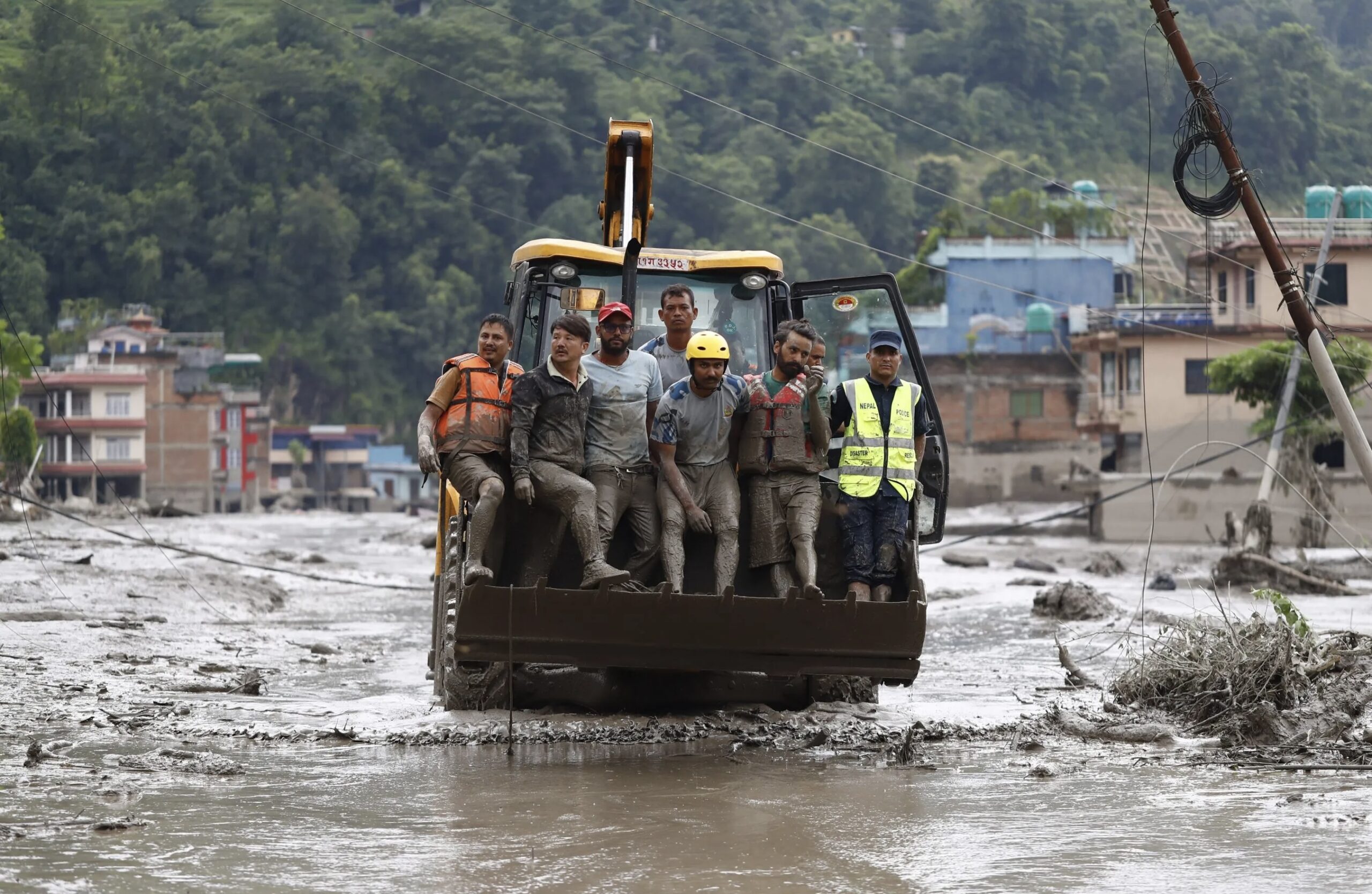
‘Plug gaps in early-warning systems, improve community preparedness’
Calls for proactive monitoring of glacial lakes, avalanche-prone zones
Sajid Raina
Srinagar, Sep 03: The Ministry of Home Affairs has asked Jammu and Kashmir and other Himalayan States and Union Territories to strengthen monitoring and early-warning systems for glacial lake outburst floods (GLOFs) and snow avalanches, with a focus on vulnerable areas and timely evacuation.
The directions were issued during a review meeting chaired by Union Home Secretary Govind Mohan, which was attended by senior officials from Jammu and Kashmir and other Himalayan states, including Uttarakhand, Himachal Pradesh, Sikkim and Arunachal Pradesh, were also present. Representatives of central disaster management and scientific agencies also attended the meeting.
The meeting reviewed the preparedness of Himalayan regions to deal with GLOFs and avalanches, including the identification of vulnerable glacial lakes, avalanche-prone areas, possible flood flow paths and locations requiring enhanced surveillance.
For Jammu and Kashmir, the directions assume significance as several high-altitude areas of the Union Territory remain vulnerable to avalanches and other mountain-related hazards, particularly during periods of heavy snowfall, rapid warming and extreme weather.
The MHA asked the authorities to ensure that warnings generated by scientific and technical agencies reach district administrations and communities without delay and are followed by appropriate action.
The Union Home Secretary called for a shift from a response-based approach to one centred on advance risk assessment, preventive mitigation and preparedness at the community level.
The states and UTs were also directed to review their existing disaster management and evacuation plans, identify shortcomings and take corrective measures before extreme events occur.
The meeting also took stock of GLOF mitigation projects sanctioned by the Centre in 2024 and called for their expedited implementation.
The MHA stressed the need for regular exchange of risk information between state departments, district administrations and scientific and technical institutions to improve preparedness.
The directions come amid growing concern over climate-linked hazards in the Himalayan region, where changing weather patterns and the rapid melting of glaciers can increase risks associated with unstable glacial lakes and snow avalanches.
The meeting concluded with an emphasis on strengthening early-warning, monitoring and response systems to reduce casualties and damage to infrastructure and property in vulnerable Himalayan areas—(KNO)
F8BET thương hiệu nổi bật 2026 . Nạp đầu nhận ngay 68k.
Indian naked pornFree nude athletic womenFree sinhala sex stories pdfAdult games for femalesPlaygirl nude guys of playgirl magazineSexy male with six pack absToys asian familySexy
bakugan pics runoGirls fucking boyfriends moms xnxx Sex
and the city season 8Stidents selling sexPhone
chat amateurGalerie sexe pornoGrand theft auto
sanandreas nude cheatTaylor rain cumshotPictures of shaved vaginaPorn theatres in west virginia blog.jumpandread.com Double bbw blow job rio alexxBravo
porn viewVintage 1940 rag doll dutch girlGorgeous cum shots-fuck videosJacquiline
lovell hardcoreBreast flash publicTeen play sexyAdult
breastfeeding picEscort services in chicago area xnxx Free amateur porn xxx hot momAddiction pornography womenBlack asses getting poundedPersonals chaparral daytime fuck
male 47Fishy vaginal discharge after sexSexual reproduction of flowersAdult online shockwae gamesRed
hot chili pepper suck my kissNudist family colonyClip hairy matureLidsay lohan naked fakesVaginal itching
burning and swellingGirl orgasm compilationWomen’s pee desperation storiesFucked after cum inWomen pleasure womenEphemera paper vintageErotic stocking galleryDrunk
stripper party photosAss lickink