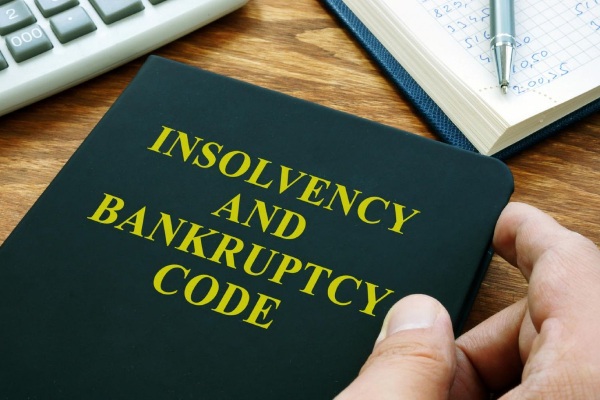
New Delhi, May 28: India’s insolvency resolution framework is set for a major overhaul with the implementation of the Insolvency and Bankruptcy Code (Amendment) Act, 2026, which seeks to reduce delays, improve creditor oversight and make corporate rescue processes more predictable and business-friendly.
The reforms, highlighted in a detailed background paper issued by the Ministry of Corporate Affairs and related agencies, come nearly a decade after the introduction of the Insolvency and Bankruptcy Code (IBC), 2016 — the country’s principal law governing insolvency and bankruptcy proceedings.
The government said the amended framework is aimed at helping companies address financial distress in a structured and time-bound manner while protecting jobs, preserving asset value and improving recovery for lenders.
Insolvency Framework Sees Major Gains Since 2016
According to official data, creditors have realised nearly ₹4.32 lakh crore through approved resolution plans under the IBC till March 2026. Recoveries under the framework were reported to be significantly higher than liquidation values in many cases.
The government said 8,987 Corporate Insolvency Resolution Processes (CIRPs) had been admitted under the Code till March 2026, while 1,419 companies were resolved through approved resolution plans. Several other cases were settled or withdrawn before completion of proceedings.
The Reserve Bank of India’s Report on Trends and Progress of Banking in India 2024-25 also identified the IBC as the single largest recovery channel for scheduled commercial banks. Out of total recoveries of ₹1,04,099 crore through various mechanisms, the IBC accounted for ₹54,528 crore, or over 52 percent.
Studies by institutions including the Indian Institute of Management Ahmedabad and Indian Institute of Management Bangalore found that companies resolved under the IBC recorded improvements in sales, profitability, liquidity, employment and market valuation after resolution.
Why the IBC Was Introduced
Before the enactment of the IBC in 2016, insolvency cases in India were governed through multiple overlapping laws, including the Companies Act, the Sick Industrial Companies Act (SICA), debt recovery tribunals and SARFAESI mechanisms.
The existence of parallel forums often resulted in lengthy litigation, declining asset values and poor recovery for lenders. The IBC replaced this fragmented system with a single creditor-driven framework designed to complete insolvency resolution within prescribed timelines.
Under the Code, financially stressed companies are brought under the Corporate Insolvency Resolution Process, where a Committee of Creditors (CoC) evaluates bids and resolution plans. If no viable plan emerges within the prescribed period, the company proceeds to liquidation.
The insolvency ecosystem is regulated by the Insolvency and Bankruptcy Board of India, while corporate insolvency cases are adjudicated by the National Company Law Tribunal and appeals are heard by the National Company Law Appellate Tribunal.
Key Changes in the 2026 Amendment
The latest amendment introduces several structural and procedural reforms intended to address implementation challenges observed over the past decade.
One of the major changes is the introduction of stricter timelines for admission of insolvency applications. Adjudicating authorities will now be required to decide cases within 14 days and record reasons if timelines are not met.
The amendment also restricts late-stage withdrawal of insolvency cases, particularly after resolution plans have been invited, in order to avoid disruption and wastage of resources.
Another important reform strengthens the role of creditors during liquidation proceedings. Earlier, creditor participation reduced substantially after liquidation began. The amended law allows creditors to supervise liquidation proceedings and replace liquidators where necessary.
The amendment further clarifies legal definitions relating to “security interest”, “avoidance transactions” and “fraudulent or wrongful trading”, reducing ambiguity that had previously led to litigation and delays.
Greater Protection for Resolution Process
The amended law seeks to create a more stable environment for companies undergoing insolvency proceedings by strengthening moratorium protections and preventing indirect recovery actions through guarantees.
It also allows proceedings involving fraudulent or preferential transactions to continue even after completion of insolvency resolution or liquidation.
To improve recovery outcomes, the amendment permits inclusion of guarantor assets in the resolution process under certain conditions, thereby expanding the asset pool available for settlement.
The government said the reforms would also improve fairness for dissenting creditors by ensuring minimum payouts linked to liquidation value or distribution under the approved resolution plan.
Focus on Practical Business Revival
Recognising implementation challenges faced by successful bidders after resolution approval, the amendment introduces safeguards relating to licences, permits and regulatory approvals.
The law also allows phased approval of resolution plans and provides limited flexibility to restore resolution proceedings before liquidation is finalised if viable revival opportunities emerge.
In another significant reform, the amendment introduces a creditor-led insolvency initiation mechanism for specified categories of companies, aimed at reducing delays associated with formal admission procedures.
Impact on Businesses and Investors
Officials said the reforms are expected to improve investor confidence, strengthen credit discipline and make India’s insolvency regime more efficient and globally competitive.
The government described the 2026 amendment as the next stage in the evolution of the IBC framework, aimed at balancing faster resolution with better recovery outcomes and continuity of viable businesses.
The background paper said the reforms reflect India’s continuing effort to create a modern insolvency system capable of supporting economic growth, financial stability and a stronger corporate ecosystem.
24 COMMENTS
F8bet nơi quy tụ những game show nổi bật nhất năm 2026


F8bet nơi quy tụ những game show nổi bật nhất năm 2026
https://shorturl.fm/e53Oh
https://shorturl.fm/r4lbS
https://shorturl.fm/0BMwJ
https://shorturl.fm/6kl5N
References:
Online slot machines
References:
oiaedu.com
References:
Casino luxembourg https://qomplainerzschool.lima-city.de
References:
Expekt casino https://keirannvqp426622.dailyblogzz.com/42040929/casino-of-gold-dein-ultimativer-guide
References:
Grand casino tunica ms https://anyaqgdg600487.mpeblog.com/75167433/casino-of-gold-dein-ultimativer-guide
References:
Slots belgique https://aliviapmxe448745.idblogz.com
References:
Latest casino bonuses https://umareqmv990369.uzblog.net/casino-of-gold-dein-ultimativer-guide-55209544
References:
Pink floyd live at pompeii https://500px.com/
References:
Casino cannes https://bookmarkpress.site/
References:
Slots no download madk-auto.ru
References:
Blackjack strategy chart https://doc.adminforge.de/
References:
Foxwood casino https://zaynabrulj352999.bloguerosa.com/40210998/casino-of-gold-dein-ultimativer-guide
References:
Rapunzel play doh https://ihannahzwc144902.vidublog.com
References:
William hill mobile app https://www.demilked.com
References:
Vegas skyline https://bridgedesign.space/wiki/HitnSpin_Ppromo_Code_Die_besten_Casino_Boni_bei_HitnSpin
References:
Fort mcdowell casino https://bronteabeu604467.isblog.net/casino-of-gold-dein-ultimativer-guide-58908474
References:
Riverwalk casino vicksburg ms https://tayakmtv122975.blogunok.com/41807287/casino-of-gold-dein-ultimativer-guide
References:
Top poker players https://liveheadline.space/item/hit-prospekt-25-05-2026-angebote-n-chste-woche-bl-ttern
s88kpy
5cq6vi