SRINAGAR: Jammu and Kashmir produces 28.75 lakh metric tonnes of milk annually with a per capita availability of 577 grams per day, higher than the national average of 471 grams, and about 370 lakh kilograms of mutton each year, according to data reviewed during a high-level meeting chaired by Chief Secretary Atal Dulloo on Thursday. The meeting, convened to assess measures for enhancing milk and mutton production, underscored the need to transform these key sectors through innovation, value addition, and entrepreneurship.
The Chief Secretary noted that despite being among the top consumers of mutton and dairy products in the country, Jammu and Kashmir remains largely dependent on imports to meet local demand. “Both sectors hold immense potential for growth if approached with the right policy interventions and sustained departmental support,” Dulloo emphasized.
The meeting was attended by Additional Chief Secretary (ACS), Agriculture Production Department (APD), Shailendra Kumar; Vice Chancellor, SKUAST-Jammu; Managing Directors of HADP and Dairy Development; Directors of Agriculture and Sheep Husbandry from both divisions; and other senior officials.
Presenting an overview, ACS Shailendra Kumar highlighted that only about 4% of milk production is currently organized, representing a key challenge. The department aims to increase organized production to 20% within the next 5–7 years by expanding Artificial Insemination (AI) coverage, securing High Genetic Merit (HGM) bulls, and setting up facilities for sexed semen.
To strengthen the dairy value chain, around 1,600 Pashu Sakhis (Maitris) have been deployed for AI services at the grassroots level, while two semen stations are being established. Additionally, 40 high-quality bulls from the USA are being procured, and new milk processing and chilling units are planned in every district to reduce wastage and improve organized processing.
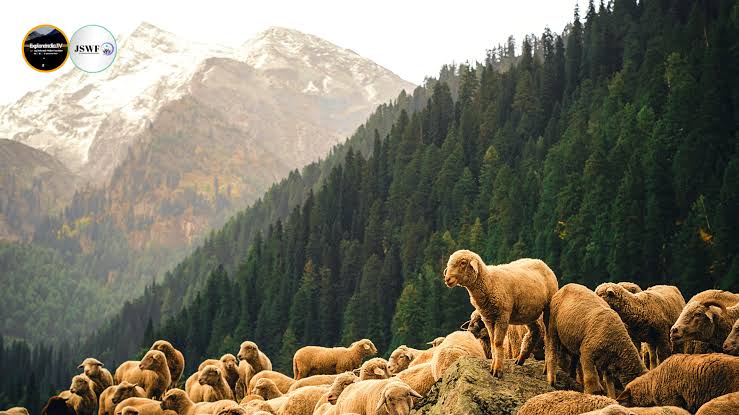
In the mutton sector, the UT currently has 43.68 lakh sheep and 22.5 lakh goats, producing about 370 lakh kilograms of meat and 80 lakh kilograms of wool annually, against a demand of around 545 lakh kilograms of meat. To bridge this deficit, the department plans to introduce advanced breeding technologies such as Embryo Transfer Technology (ETT) and Multiple Ovulation and Embryo Transfer (MOET).
Plans are underway to set up Embryo Generation Labs with a target of producing 6,000 embryos annually, establish ETT laboratories in every district, and develop cryopreservation facilities. Capacity-building programmes for veterinarians and para-veterinarians will accompany these interventions to ensure efficient on-ground implementation.
Chief Secretary Dulloo lauded the Agriculture Production Department for its proactive initiatives and directed it to work in mission mode to transform the dairy and sheep husbandry sectors into drivers of rural employment and economic growth. “The focus must shift from mere production to scientific processing, branding, and market expansion that can create sustainable livelihoods and export opportunities,” he stressed.
The meeting concluded with a resolve to position Jammu and Kashmir as a leading region in organized milk and mutton production, backed by technology, entrepreneurship, and sustainable practices.


Comments are closed.