SRINAGAR: The PHD Chamber of Commerce and Industry (PHDCCI) Kashmir Chapter has called for immediate government intervention to mitigate the crisis faced by the horticulture sector due to the blockade of the Srinagar-Jammu National Highway.
The demand was made during a meeting convened by Divisional Commissioner Kashmir, Anshul Garg (IAS), which was attended by senior officials including the IGP Traffic Kashmir, Railway Board representatives, Director FCS&CA, Deputy Commissioners of Srinagar and Budgam, officials from BRO and NHIDCL, and representatives of fruit growers’ associations from Pulwama, Sopore, Shopian, Baramulla, Kupwara, along with the Cold Store Association of Lassipora.
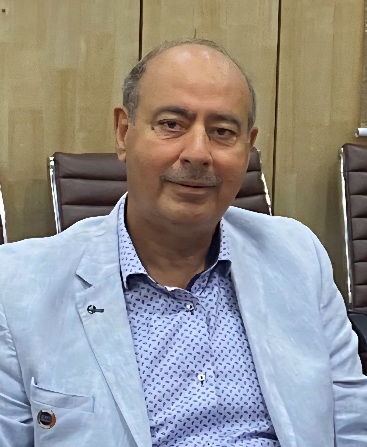
The PHDCCI delegation, led by Co-Chair Himayu Wani and Bilal Kawoosa along with Deputy Director Iqbal Jan, underlined the heavy losses suffered by apple growers due to the disruption in transportation. They pressed for the formation of a high-level committee to assess damages and recommend compensation measures.
“This is a testing time for the administration, and the government needs to come to the rescue of the major economic activity of Kashmir,” the Chamber said, questioning the lack of preparedness ahead of the harvest season. PHDCCI also urged the administration to take “war-footing action” to prevent such crises in the future.
Welcoming the introduction of parcel train services, the Chamber reiterated the need for robust multimodal cargo terminals under the Gati Shakti initiative, developed through public-private partnerships. It stressed the importance of a comprehensive Master Plan for the timely evacuation of apples and other horticultural produce, noting that while growers focus on producing high-quality fruit, the government must ensure the necessary infrastructure, logistics, and planning.
In response, Divisional Commissioner Garg assured participants that the administration was prioritising the evacuation of stranded fruit-laden trucks through both the National Highway and Mughal Road. He added that valley-bound vehicles carrying essentials such as petrol, diesel, and LPG were also being facilitated under a dedicated Standard Operating Procedure to ensure uninterrupted supplies to the public.