Finance Minister Sitharaman used that acronym in February, when she first tabled a first draft of the bill, to refer to its guiding principles. Those principles are: ‘Streamlined structure and language; Integrated and concise; Minimised litigation; Practical and transparent; Learn and adapt, and Efficient tax reforms’.
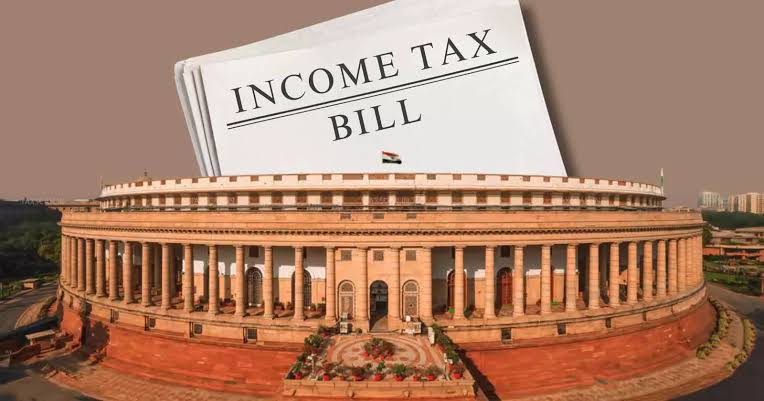
That first draft was then referred to a select committee led by the ruling BJP’s Baijayant Panda. The committee made 285 suggestions and most have been accepted, Ms Sitharaman said this afternoon.
The revised bill carries that mission further, Mr Panda said. He said the new draft further simplifies the decades-old tax structure and helps individual taxpayers and MSMEs avoid unnecessary litigation.
“The 1961 Income Tax Act has undergone over 4,000 amendments and contains over five lakh words. It has become too complex. The new bill simplifies that by nearly 50 per cent…” he said.
Apart from simplifying the language, the No 2 Bill clarifies deductions and strengthens cross-referencing across provisions, and addresses ambiguities around income from house property, including standard deductions and pre-construction interest on home loans.


Comments are closed.