Kulgam: Can waste heal soil, create jobs and generate income in Kashmir? In South Kashmir, a young engineer has shown that it can.
On a cold winter morning in Kulgam two years ago, Mohammad Aamir Khan paused by a heap of rotting garbage. “It wasn’t the first time I saw it, but something about that day stayed with me,” he recalls. That moment, he says, planted the seed of an idea that has now grown into a movement.
At just 30, Aamir is changing the way South Kashmir looks at waste. In 2023, he dug a simple compost pit, experimenting with kitchen scraps and agricultural residue. The result was Green Wave, an organic fertiliser now finding its way to farms across the Valley. Farmers, once dependent on expensive chemical fertilisers, are increasingly turning to this locally produced alternative to enrich their soils.
Building on that success, Aamir launched Waste to Health in 2024, an online platform where households sell plastic waste. The collected plastic is recycled into industrial raw material, reducing landfill loads while generating income for families. By 2025, his innovation went a step further: he developed a process to spin discarded polythene into thread, which is now woven into eco-friendly Kashmiri bags and chadars by local artisans.
“Nothing goes to waste in this world. If we innovate, we can turn it into an opportunity,” Aamir says.
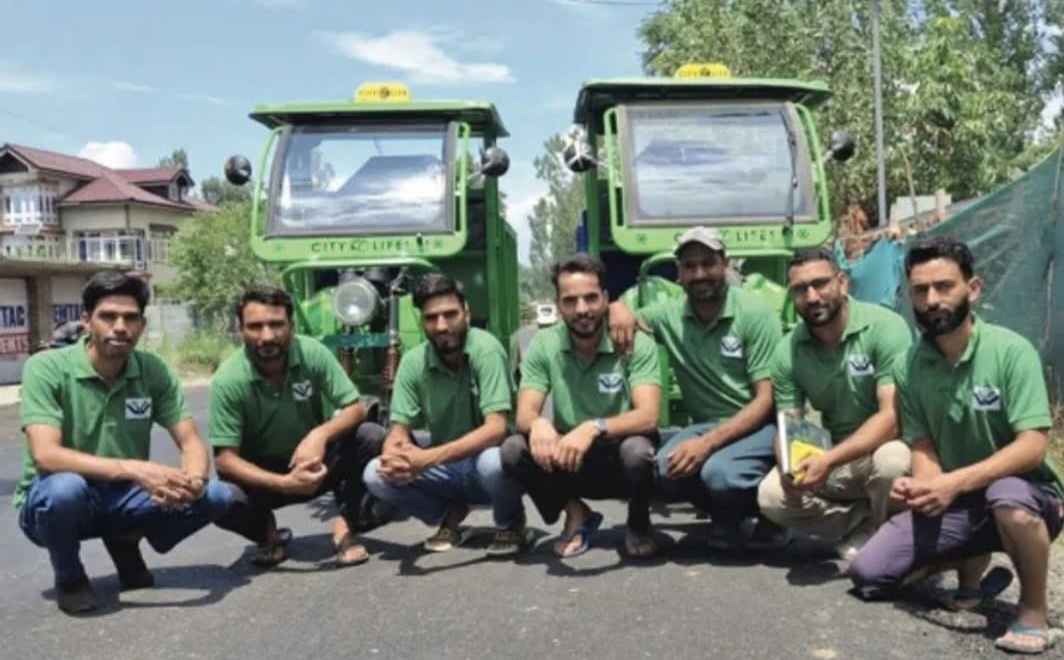
His model today supports 4,000 households across South Kashmir, provides livelihoods to 25 workers directly, supplements family incomes, and supplies local farmers with organic compost. In just three years, the initiative has grown into an eco-enterprise valued at ₹80 lakh, blending sustainability with entrepreneurship.
What began as one engineer’s response to a pile of garbage has now become a symbol of circular economy in Kashmir—proof that waste, when reimagined, can heal soil, create jobs and drive local industry.


Comments are closed.