New Delhi: The Government of India has outlined a significant expansion of the country’s power generation and transmission systems to meet rapidly rising peak electricity demand, projecting a total installed capacity of 874 GW by 2031–32 under the National Electricity Plan (NEP).
In a written reply to the Lok Sabha, Minister of State for Power Shripad Yesso Naik said that although electricity demand has risen steadily over the past five years, the gap between requirement and supply has narrowed due to substantial capacity additions. He said the government is taking steps to ensure that future demand growth is matched with timely generation and infrastructure expansion.
States Prepare Long-Term Resource Plans
To maintain supply ahead of projected requirements, all states have prepared 10-year Resource Adequacy Plans (RAPs) in coordination with the Central Electricity Authority. These rolling strategies cover both generation and procurement, and states have been advised to initiate capacity contracting and creation in line with their plans.
Multi-Sector Expansion Across Energy Sources
The Centre said a substantial buildout is underway across thermal, hydro, nuclear and renewable segments. India’s coal and lignite capacity requirement is expected to rise to 3,07,000 MW by 2034–35 from 2,11,855 MW in 2023. Since April 2023, 16,560 MW of thermal capacity has been commissioned, 40,345 MW is under construction, 22,920 MW has been contracted, and 24,020 MW is in the planning stage.
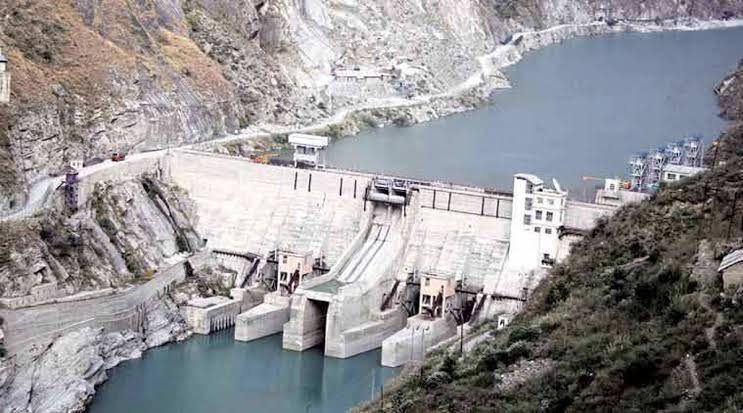
Hydropower projects totalling 13,223.5 MW are currently under construction, with an additional 4,274 MW planned for completion by 2031–32. In the nuclear sector, 6,600 MW is under construction for commissioning by 2029–30, while another 7,000 MW is in the approval pipeline.
The renewable energy sector continues to grow rapidly, with 1,56,900 MW of solar, wind and hybrid projects under construction and another 51,420 MW planned for completion by 2029–30. Energy storage infrastructure is also advancing, including 11,870 MW of pumped storage capacity under construction and over 25,000 MW of battery storage systems in bidding or construction phases.
Transmission Network to Match Generation Growth
To accommodate the expected surge in power generation, the government has planned an extensive transmission expansion, including 1,91,474 km of transmission lines and 1,274 GVA of transformation capacity (220 kV and above) for the 2022–32 period.
Push for Renewable Energy Adoption
The Centre reiterated multiple policy measures aimed at accelerating renewable energy deployment, including waivers of interstate transmission system (ISTS) charges for solar, wind and green hydrogen projects, standard bidding guidelines for renewable procurement, 100% FDI through the automatic route, and the expansion of the Green Energy Corridor. Other initiatives include the PM-KUSUM scheme, PM Surya Ghar Muft Bijli Yojana, PM JANMAN solar programmes, the National Green Hydrogen Mission, and the Renewable Consumption Obligation (RCO) trajectory until 2029–30. A production-linked incentive scheme is supporting domestic solar PV manufacturing, while policies for offshore wind development and the Green Term Ahead Market (GTAM) are enabling project development and energy trading.
Rising Peak Demand and Improved Supply
Data from the past five years shows a consistent rise in peak electricity demand, which increased from 1,90,198 MW in 2020–21 to 2,49,856 MW in 2024–25. Supply has largely kept pace, with unmet demand dropping to negligible levels in 2024–25.
The minister said that the combination of thermal, renewable, nuclear and hydropower additions, along with strengthened transmission networks, will ensure adequate supply headroom as India’s electricity consumption continues to grow.