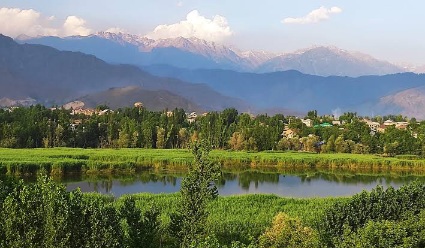
The Pampore area of Kashmir, widely celebrated for its saffron fields, holds another priceless gem — the network of wetlands that span the area, including Chatlam, Kranchoo, Manibugh and Fashkoori, which are under the jurisdiction of the Wildlife Protection Department, J&K.
These wetlands, rich in biodiversity and ecological value, serve as vital lifelines for the environment, water security and climate regulation in the region. With rising awareness and multi-sectoral efforts, the wetlands of Pampore are steadily gaining attention as natural treasures that must be explored, preserved and cherished by all.
Every year during winter, the Pampore wetlands become a sanctuary for thousands of migratory birds, including Mallard, Shoveler, Geese, Bar-headed Goose, Northern Pintail, Gadwall, Eurasian Wigeon, Common Teal, Ruddy Shelduck, Black-headed Gull, Little Grebe, and others. These birds travel long distances from Central Asia and Siberia to rest, feed, and breed in the rich waters of Kashmir’s wetlands. The seasonal arrival of these winged guests makes the wetlands a center of beauty, peace, and ecological significance.
In addition to birdlife, the wetlands also support native fish species, amphibians, and aquatic vegetation, and serve as important breeding and feeding grounds for numerous animals and insects that maintain the food web of the ecosystem.
The picturesque beauty of the wetlands, combined with rich birdlife and peaceful surroundings, makes them ideal destinations for wildlife photographers, tourists, and nature lovers. Particularly in the Chatlam and Manibugh wetlands, local and visiting photographers have captured stunning images that not only celebrate the area’s natural charm but also raise awareness across platforms.
These visual stories help promote eco-tourism, which—if guided responsibly—can open up opportunities for local employment and community-based tourism initiatives.
One of the most promising developments is the active involvement of students from schools, colleges, and universities. The Wildlife Department regularly organizes awareness camps, wetland field visits, cleanliness and plantation drives, bird-watching sessions, biodiversity recording workshops, and the Annual Asian Waterfowl Census.
These educational programs, involving both boys and girls, are building a new generation of eco-conscious citizens who understand the importance of wetlands and are committed to their protection.
To secure these wetlands from inadvertent encroachment or misuse, the Wildlife Protection Department has undertaken chain-link fencing in vulnerable areas and installed concrete demarcation pillars along wetland boundaries. These protective measures not only secure the physical extent of the wetlands but also serve as a clear visual reminder of their protected status.
NGO WCF has stepped forward to support conservation efforts. Their work includes conducting awareness campaigns in villages and schools, organizing volunteer groups for field cleanups, promoting sustainable environmental practices, and helping connect local communities with departmental initiatives. Their collaboration has helped bridge the gap between government efforts and community involvement, turning conservation into a shared mission.
The Wildlife Protection Department primarily focuses on the removal of garbage and debris from wetland surroundings, desilting and de-weeding of feeder drains, restoration of water flow from sources, and promoting proper waste disposal habits among local residents. These interventions are making a visible difference, with cleaner water, improved bird activity, and better public access.
To the people of Pampore and surrounding villages—especially farmers, herders, youth, women, and elders—the wetlands are your shared legacy. They give us clean water, protect our crops from floods, support the saffron ecosystem, and bring beauty and birds to our land.
The general public can contribute to conserving and protecting these wetlands by avoiding waste dumping near water bodies, protecting wetland plants and trees, respecting fenced boundaries, teaching children about their importance, and reporting any illegal earth filling, encroachment, or water blockages. Your small actions can make a big difference. Wetland conservation starts at the doorstep of every household.
With continued support from the Wildlife Protection Department, development agencies, schools, volunteers, and NGOs, the Pampore wetlands can become a shining example of community-led conservation in Kashmir.
These wetlands offer more than a scenic view—they are living ecosystems, classrooms of nature, and pillars of our future resilience.
Let us all join hands to explore, appreciate, and protect these magical landscapes—for ourselves, our children, and the generations yet to come.
The writer is Block Officer, Pampore Wetlands, Department of Wildlife Protection, J&K


Comments are closed.